
Research Snapshot
Cordyceps
A synthesis of the peer-reviewed evidence for Cordyceps across physical energy, immune, cognition and endurance, graded by scientific consensus and reviewed by our Scientific Advisory Board.
See the Research
 Physical Energy
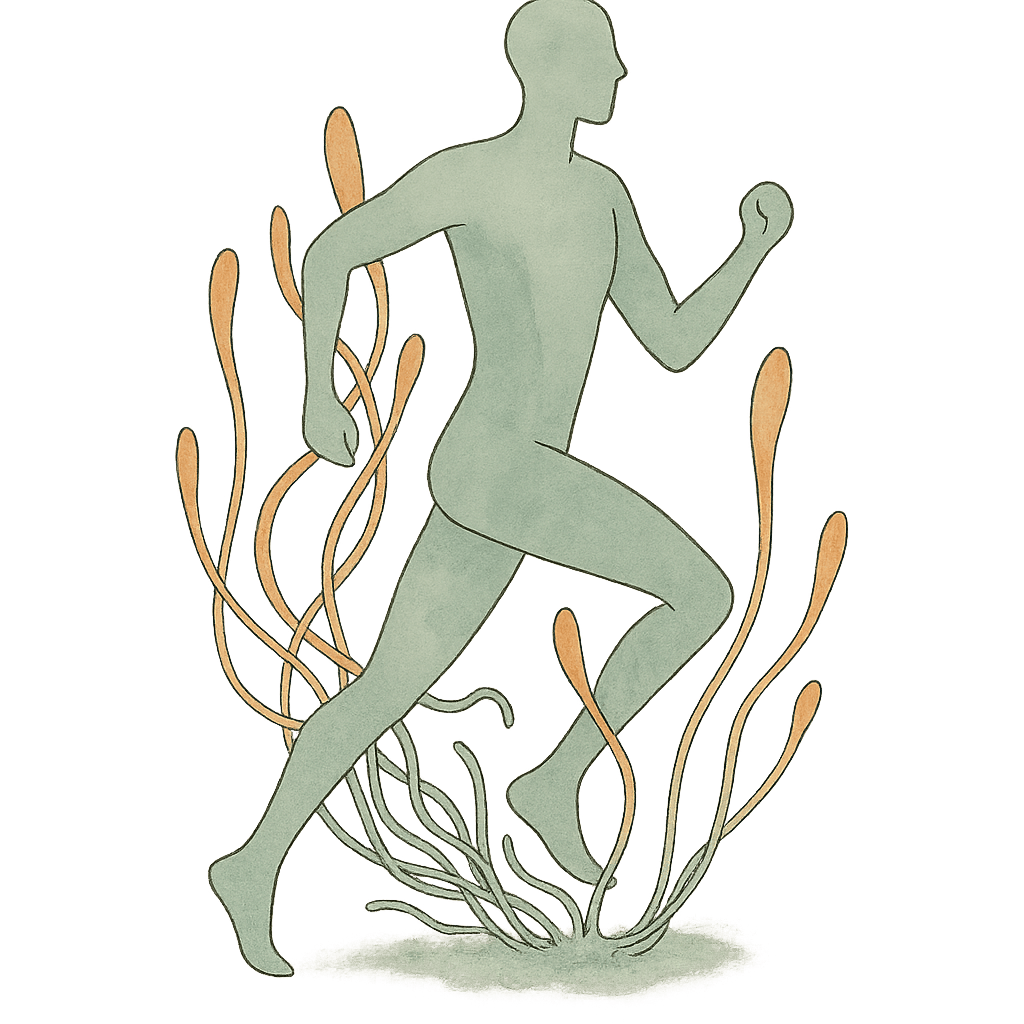
Do Cordyceps promote physical energy?
Evidence from 6 studies
What the research shows
Cordyceps supplementation has demonstrated clear benefits in promoting physical energy, increasing endurance, and reducing fatigue, primarily through improved energy metabolism and antioxidant activity. These effects support its traditional reputation as a natural energy booster.
View the top studies
Journal of ethnopharmacology | R. Kumar et al. | 67 | 2011
Randomized Control Trial (RCT) , Animal Trial
Cordyceps sinensis supplementation improves exercise endurance capacity in rats by activating skeletal muscle metabolic regulators and a coordinated antioxidant response.
Biochemical and biophysical research communications | Xiao-ming Chai et al. | 7 | 2022
Non-Randomized Control Trial , Animal Trial
Cordycepin prolongs weight-loaded swimming time and has anti-fatigue effects by regulating energy metabolism and pentose phosphate pathway.
Journal of ethnopharmacology | R. Kumar et al. | 67 | 2011
Randomized Control Trial (RCT) , Animal Trial
Cordyceps sinensis supplementation improves exercise endurance capacity in rats by activating skeletal muscle metabolic regulators and a coordinated antioxidant response.
Biology, Medicine | | 17 | 2017
Cordyceps may improve the bio energy status of animals and probably in humans by improving the internal balance mechanism and making the utilization of oxygen more efficient.
 Immune
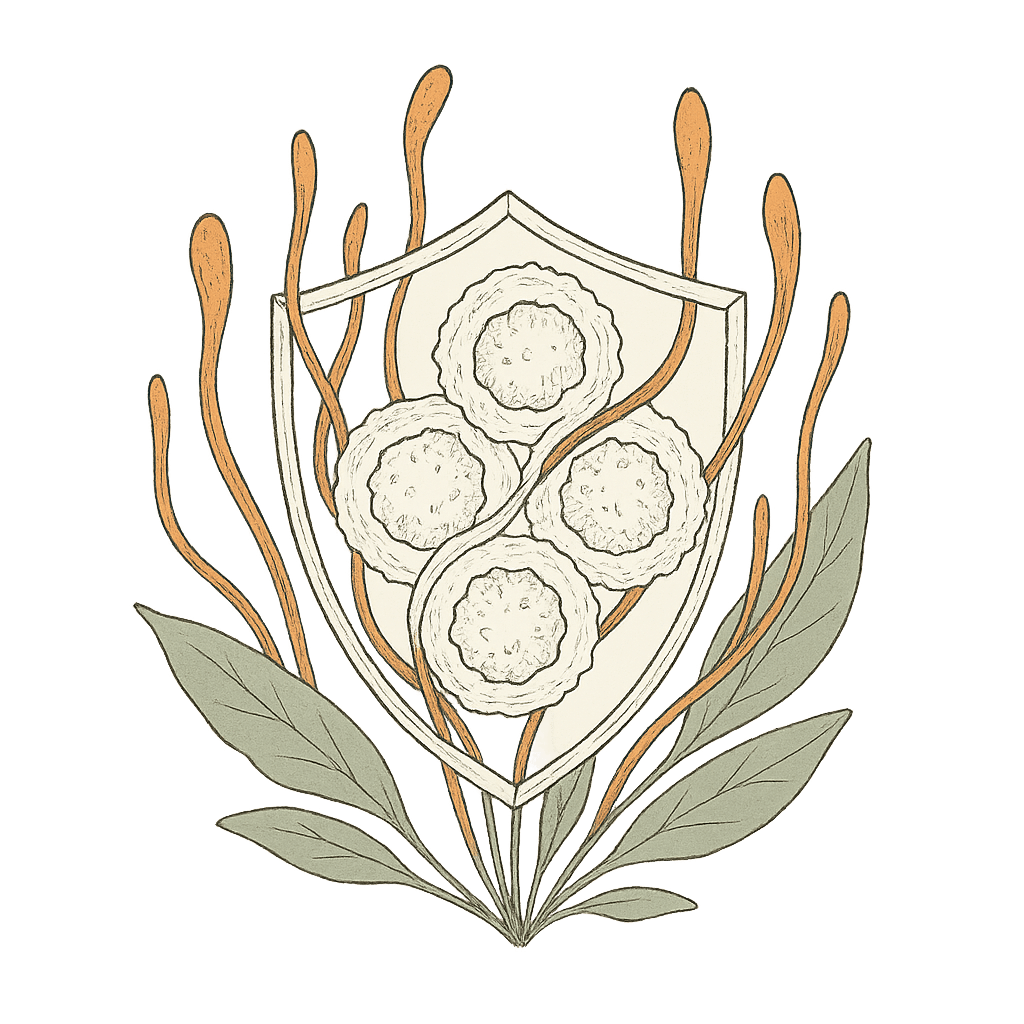
Do Cordyceps support immune system health?
Evidence from 17 studies
What the research shows
Cordyceps mushrooms, especially their polysaccharide-rich extracts, have demonstrated significant immune-supporting and immunomodulatory effects in both preclinical and clinical studies. These findings support their use as functional foods or supplements to promote immune system health.
View the top studies
Scientific Reports | Atcharaporn Ontawong et al. | 0 | 2024
Randomized Control Trial (RCT)
Cordyceps militaris beverage significantly increased NK cell activity and reduced IL-1ñ and IL-6 levels in healthy adults.
International journal of biological macromolecules | Jing-Yu Liu et al. | 87 | 2016
Randomized Control Trial (RCT) , Animal Trial , Highly Cited
Cordyceps militaris polysaccharides improved immune function in mice by increasing white blood cell count and reducing oxidative stress.
Frontiers in Pharmacology | Gitishree Das et al. | 80 | 2021
Highly Cited , Literature Review
Cordyceps species have been related to increased cytokine production, nitric oxide production, and stimulation of the immune system.
Carbohydrate polymers | Quanwei Zhang et al. | 21 | 2021
In Vitro Trial , In Vivo Experiment
Cordyceps' polysaccharide marker CCP modulates immune responses via the TLR4/MyD88/p38 axis.
 Cognition
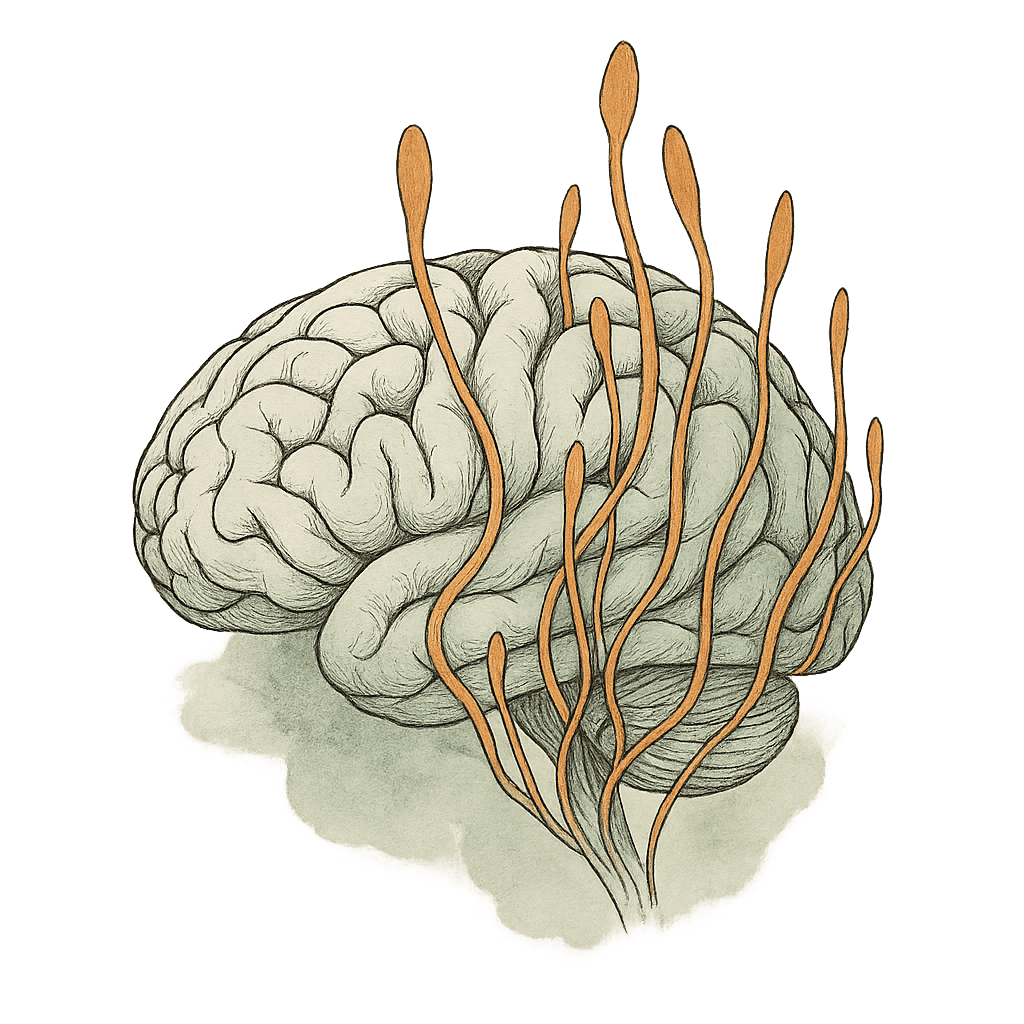
Do Cordyceps support cognitive function?
Evidence from 12 studies
What the research shows
Cordyceps and its active compound cordycepin show promising cognitive benefits in animal studies, acting through neuroprotective, anti-inflammatory, and synaptic mechanisms. While these findings are encouraging, more robust human research is needed to confirm their effectiveness for cognitive support in people.
View the top studies
European journal of pharmacology | Pengfei Liu et al. | 14 | 2022
Non-Randomized Control Trial , Animal Trial , Rigorous Journal
Cordycepin can ameliorate hypobaric hypoxia-induced cognitive damage by inhibiting the TLR-4/NF-α B/MMP-9 pathway.
European journal of pharmacology | Zhao-lin Cai et al. | 48 | 2013
Non-Randomized Control Trial , Animal Trial , Rigorous Journal
Cordycepin, a component of Cordyceps militaris, significantly improves Y-maze learning performance in healthy and ischemic mice.
European Journal of Pharmacology | Z. Dong et al. | 16 | 2019
Non-Randomized Control Trial , Animal Trial , Rigorous Journal
Cordycepin alleviates LTP impairment and protects neurons against cerebral ischemia and excitotoxicity by regulating adenosine A1 receptors.
Advanced Science | Xin Zhong et al. | 8 | 2024
Non-Randomized Control Trial , Animal Trial
Cordycepin improved cognitive function and memory by triggering microglial M2 polarization and metabolic reprogramming, promoting neuronal survival and anti-Alzheimer's disease role.
 Endurance
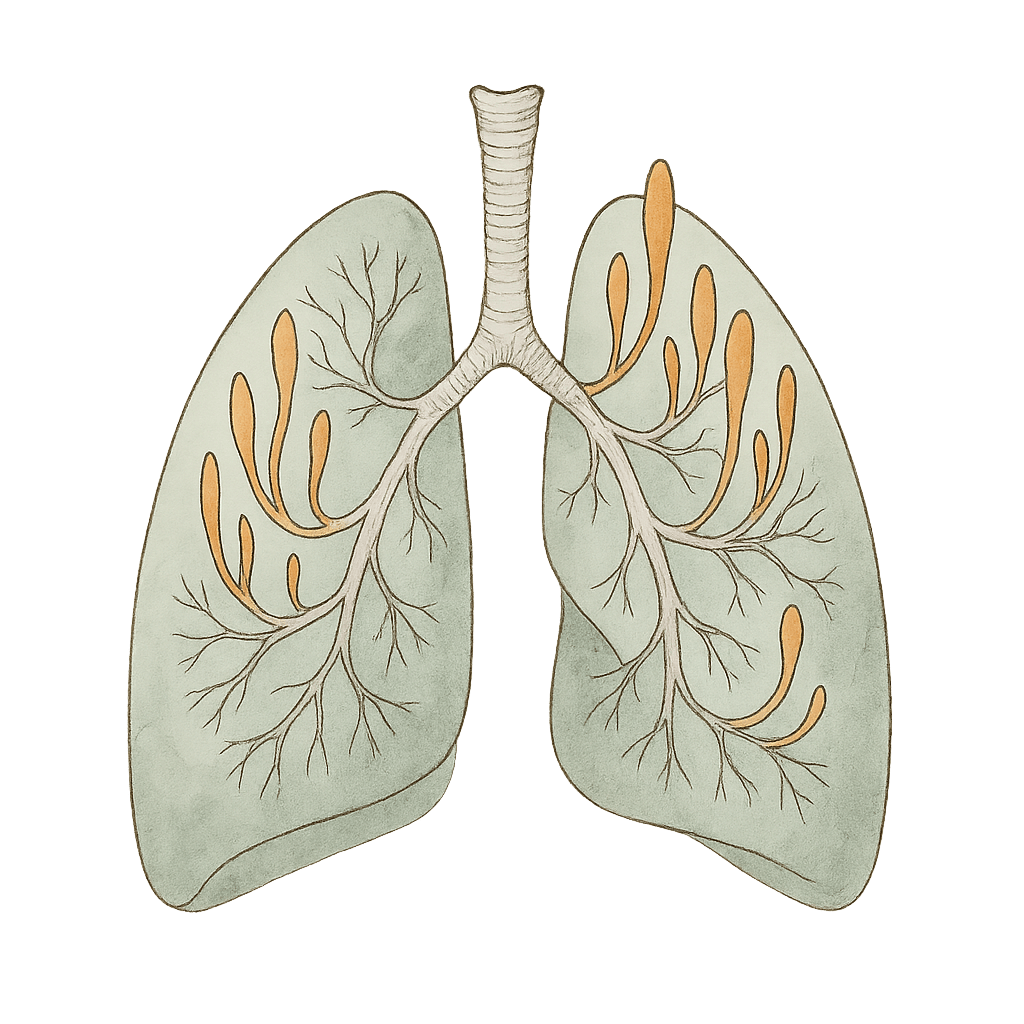
Do Cordyceps enhance exercise performance endurance?
Evidence from 8 studies
What the research shows
Cordyceps shows promise for enhancing exercise endurance in animal studies and possibly in untrained or moderately active humans. However, evidence for significant benefits in well-trained athletes is lacking. More robust human trials are needed to confirm its effectiveness for exercise performance and endurance.
View the top studies
Journal of Herbal Medicine | Fellipe Pinheiro Savioli et al. | 4 | 2022
Randomized Control Trial (RCT)
Cordyceps sinensis supplementation improves the aerobic performance of amateur marathoners.
Journal of ethnopharmacology | R. Kumar et al. | 67 | 2011
Randomized Control Trial (RCT) , Animal Trial
Cordyceps sinensis supplementation improves exercise endurance capacity by activating skeletal muscle metabolic regulators and a coordinated antioxidant response.
Mycobiology | Eunhyun Choi et al. | 8 | 2020
Non-Randomized Control Trial , Rigorous Journal
Cordyceps militaris has the potential to improve exercise performance by increasing ATP production.
International journal of biological macromolecules | Lidan Bai et al. | 25 | 2022
Non-Randomized Control Trial , Animal Trial
Cordyceps militaris acidic polysaccharides improve learning and memory impairment in exercise-fatigue mice by regulating the Nrf2-related signaling pathway and reducing oxidative stress.
Reviewed by Experts
Every research snapshot is checked by our independent Scientific Advisory Board: physicians, botanists and pharmacology researchers who verify the evidence grading and its interpretation.
Kerry Hughes
M.Sc., RH(AHG), FDN-P
Ethnobotanist & herbalist; Berkeley Herbal Center; principal at EthnoPharm.
View full profile →Lance Dreher
PhD, Nutritional Counseling
Performance nutrition & conditioning; four decades of applied training science.
View full profile →Dr. Lindsey Faucette
DO, FAAFP
Board-certified in Family & Integrative Medicine; Touro University College of Osteopathic Medicine.
View full profile →Francisco Chacon
PhD, Plant Biology
Botanical natural products & phytochemistry researcher, Penn State University.
View full profile →Meet the full Scientific Advisory Board →
How We Grade Consensus
For each benefit we retrieve the relevant peer-reviewed literature and classify every study by whether its findings support (Yes), partially or conditionally support (Possibly), or do not support (No) the claim. The donut shows the share of studies in each category; N is the number of studies analyzed for that benefit.
Grades reflect the weight and direction of the current evidence, not a guarantee of outcome, and the interpretation is verified by the Scientific Advisory Board.