
Research Snapshot
Creatine
A synthesis of the peer-reviewed evidence for Creatine across metabolism, physical energy, mental energy and muscle mass, graded by scientific consensus and reviewed by our Scientific Advisory Board.
See the Research
 Metabolism
Does creatine monohydrate support metabolic health?
Evidence from 10 studies

What the research shows
Creatine monohydrate supplementation is strongly supported by research as a safe and effective strategy to enhance metabolic health, particularly through its roles in energy metabolism, muscle and brain function, and protection against metabolic stress.
View the top studies
Physiological genomics | A. Safdar et al. | 133 | 2008
Randomized Control Trial (RCT) , Highly Cited
Short-term creatine monohydrate supplementation significantly increased fat-free mass, total body water, and body weight in young, healthy men.
Journal of Strength and Conditioning Research | J. Volek et al. | 122 | 1996
Highly Cited , Comprehensive Review
Creatine monohydrate supplementation reduces plasma lactate accumulation, ammonia, and hypoxanthine, indicating an alteration in energy metabolism and a decrease in ATP degradation.
Current Opinion in Clinical Nutrition and Metabolic Care | M. Tarnopolsky et al. | 66 | 2000
Comprehensive Review
Creatine monohydrate supplementation increases skeletal muscle concentration, fat-free mass, and enhances high-intensity exercise performance in young healthy men and women.
Quality indicators | D. Guinand et al. | 18 | 2020
Meta analysis
Creatine monohydrate supplementation in females is not associated with increased risk of total adverse outcomes, weight gain, or renal and hepatic complications.
 Physical Energy
Does Creatine Monohydrate support ATP Regeneration?
Evidence from 9 studies
What the research shows
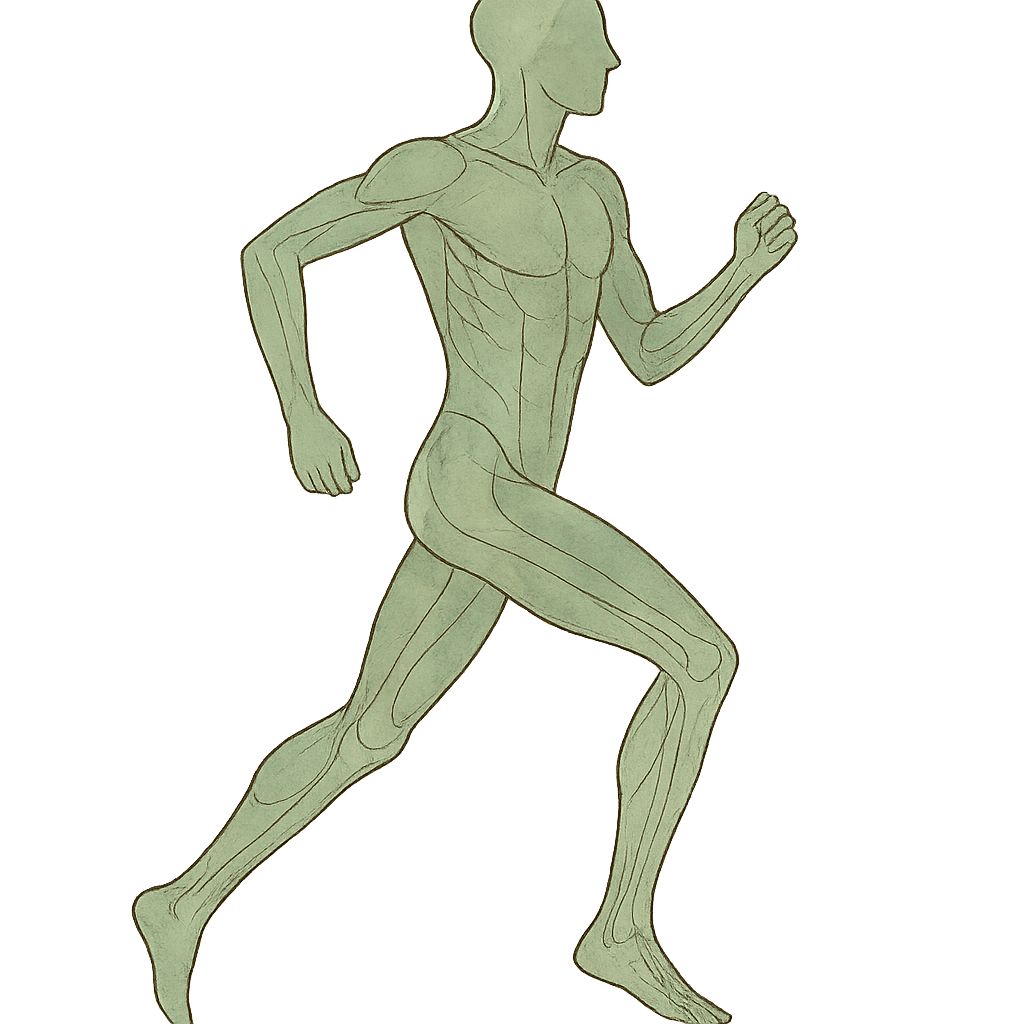
Creatine monohydrate supplementation robustly supports ATP regeneration by increasing phosphocreatine stores, enabling rapid ATP resynthesis during periods of high energy demand or metabolic stress. This mechanism underlies its benefits in exercise performance, neuroprotection, and cellular resilience.
View the top studies
Journal of Strength and Conditioning Research | J. Volek et al. | 122 | 1996
Highly Cited , Comprehensive Review
Creatine monohydrate supplementation increases the ability to maintain power output during high-intensity exercise and enhances muscle's ability to sustain high ATP turnover rates during strenuous exercise.
Nutrients | R. Silva et al. | 3 | 2022
Controlled experimental study
Creatine monohydrate supplementation enhances athletic performance during acute high-energy demand physical activity.
Magnetic resonance imaging | B. Banerjee et al. | 65 | 2010
Randomized Control Trial (RCT)
Creatine monohydrate supplementation significantly improved muscle PCr/Pi ratio and preserved muscle strength in short term for Duchenne muscular dystrophy patients.
Frontiers in Physiology | R. Poli et al. | 10 | 2019
Randomized Control Trial (RCT)
Creatine supplementation improves the phosphagen energy contribution during supramaximal running, but has no statistical effect on anaerobic capacity or performance.
 Mental Energy
Does creatine monohydrate reduce mental fatigue?
Evidence from 7 studies

What the research shows
Creatine monohydrate supplementation is effective at reducing mental fatigue and improving cognitive performance, especially in situations of high cognitive demand, stress, or clinical fatigue. Its benefits are less pronounced in healthy, non-stressed individuals, but it remains a safe and promising intervention for mental fatigue.
View the top studies
The Journal of Neuroscience | C. Turner et al. | 85 | 2015
Randomized Control Trial (RCT) , Very Rigorous Journal , Highly Cited
Creatine supplementation increases corticomotor excitability and restores attentional capacity during severe oxygen deficit.
Neuroscience Research | A. Watanabe et al. | 164 | 2002
Randomized Control Trial (RCT) , Highly Cited
Creatine supplementation reduces mental fatigue and increases oxygen utilization in the brain.
Medicinal Research Reviews | M. Balestrino et al. | 48 | 2019
Systematic Review
Creatine supplementation has proven effective in increasing muscular and neuropsychological performance in vegetarians or vegans, and in brain energy shortage (mental fatigue, sleep deprivation, etc.).
Biological Psychiatry | S. Yoon et al. | 54 | 2016
Randomized Control Trial (RCT)
Creatine augmentation of selective serotonin reuptake inhibitor treatment increased brain energy metabolism and network organization in women with major depressive disorder.
 Muscle Mass
Does creatine monohydrate increase muscle mass?
Evidence from 19 studies

What the research shows
Creatine monohydrate is a well-researched, safe, and effective supplement for increasing muscle mass, especially when combined with resistance training. The magnitude of benefit varies by age, sex, and genetics, but the overall evidence strongly supports its use for muscle growth.
View the top studies
Journal of the International Society of Sports Nutrition | J. Antonio et al. | 70 | 2013
Randomized Control Trial (RCT) , Very Rigorous Journal , Highly Cited
Creatine supplementation increases fat-free mass and strength, with post-workout consumption being superior to pre-workout in terms of body composition and strength.
The journals of gerontology. Series A, Biological sciences and medical sciences | A. Brose et al. | 257 | 2003
Randomized Control Trial (RCT) , Highly Cited
Creatine monohydrate supplementation enhances muscle strength and functional capacity in older adults, with greater increases in fat-free mass and total body mass.
Physiological genomics | A. Safdar et al. | 133 | 2008
Randomized Control Trial (RCT) , Highly Cited
Creatine monohydrate supplementation significantly increased fat-free mass, total body water, and body weight in young men
International journal of sport nutrition and exercise metabolism | A. Askow et al. | 3 | 2022
Randomized Control Trial (RCT)
Creatine monohydrate supplementation effectively increases muscle creatine content, enhancing gains in strength, lean body mass, and power.
Reviewed by Experts
Every research snapshot is checked by our independent Scientific Advisory Board: physicians, botanists and pharmacology researchers who verify the evidence grading and its interpretation.
Kerry Hughes
M.Sc., RH(AHG), FDN-P
Ethnobotanist & herbalist; Berkeley Herbal Center; principal at EthnoPharm.
View full profile →Lance Dreher
PhD, Nutritional Counseling
Performance nutrition & conditioning; four decades of applied training science.
View full profile →Dr. Lindsey Faucette
DO, FAAFP
Board-certified in Family & Integrative Medicine; Touro University College of Osteopathic Medicine.
View full profile →Francisco Chacon
PhD, Plant Biology
Botanical natural products & phytochemistry researcher, Penn State University.
View full profile →Meet the full Scientific Advisory Board →
How We Grade Consensus
For each benefit we retrieve the relevant peer-reviewed literature and classify every study by whether its findings support (Yes), partially or conditionally support (Possibly), or do not support (No) the claim. The donut shows the share of studies in each category; N is the number of studies analyzed for that benefit.
Grades reflect the weight and direction of the current evidence, not a guarantee of outcome, and the interpretation is verified by the Scientific Advisory Board.