
Research Snapshot
Curcousin
A synthesis of the peer-reviewed evidence for Curcousin across fat loss, metabolism, oxidation and inflammation, graded by scientific consensus and reviewed by our Scientific Advisory Board.
See the Research
 Fat Loss
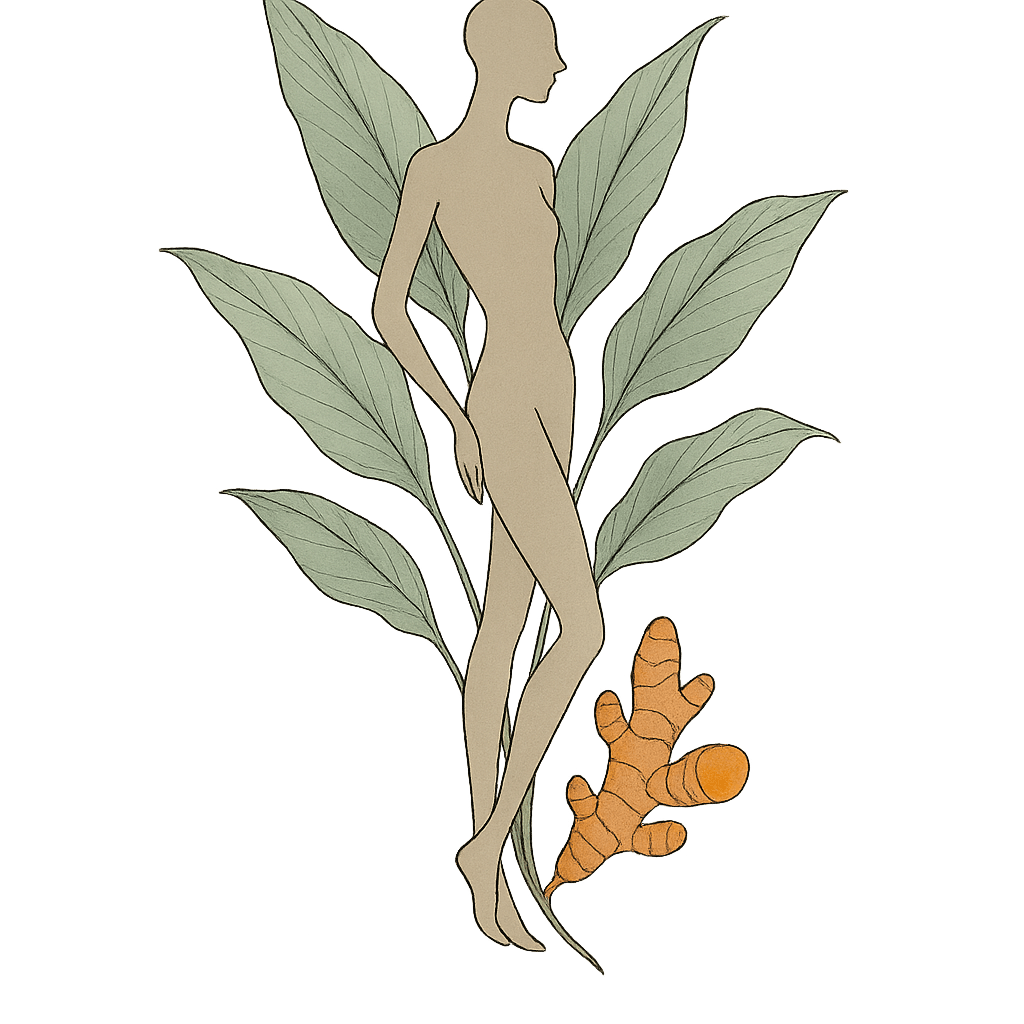
Does CurCousin (Calebin A) help manage healthy body weight?
Evidence from 10 studies
What the research shows
These studies suggest that Calebin A (CurCousin) supplementation can significantly reduce body weight, body mass index, and fat accumulation, and improve related metabolic markers in both humans and animal models, supporting its potential role in healthy weight management.
View the top studies
International Journal of Ayurveda and Pharma Research | M. Majeed et al. | 0 | 2016
Randomized Control Trial (RCT)
Calebin A (standardized extract of Curcuma caesia) resulted in significant weight loss than placebo over 90 days and was safe and well tolerated by all subjects.
Food & function | M. Majeed et al. | 0 | 2023
Randomized Control Trial (RCT)
Calebin A supplementation resulted in a significant reduction in body weight, waist circumference, and BMI in obese adults.
Molecular nutrition & food research | Ching-Shu Lai et al. | 35 | 2015
Non-Randomized Control Trial , Animal Trial , Controlled experimental study
Calebin-A suppressed adipocyte differentiation, prevented high-fat diet-induced obesity, and improved hepatic steatosis.
Current medicinal chemistry | H. Shamsnia et al. | 0 | 2023
Systematic Review
Calebin-A may potentially be therapeutically beneficial in treating patients with obesity.
 Metabolism
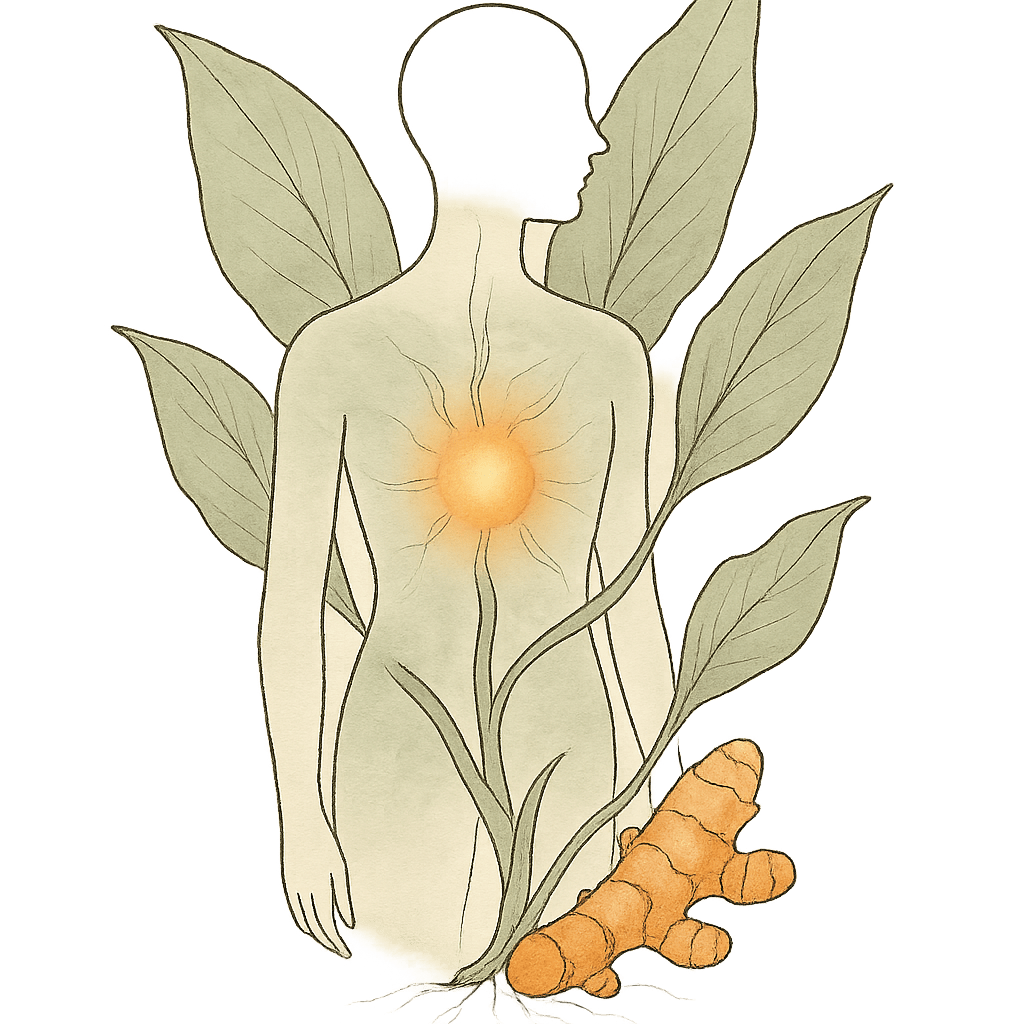
Does Curcousin (Calebin-A) help manage metabolic health?
Evidence from 8 studies
What the research shows
These studies suggest Calebin-A (Curcousin) may help manage metabolic health by reducing weight, improving lipid profiles, decreasing inflammation, modulating gut microbiota, and enhancing glucose metabolism, though effects on blood pressure and insulin sensitivity are less clear.
View the top studies
Food & function | M. Majeed et al. | 0 | 2023
Randomized Control Trial (RCT) , Controlled experimental study
Calebin A, a minor metabolite from Curcuma longa, significantly reduces body weight, waist circumference, and triglyceride levels while improving adipokines and managing metabolic syndrome-induced inflammation.
International Journal of Ayurveda and Pharma Research | Majeed, M. Et Al. | 0 | 2016
Randomized Control Trial (RCT)
Calebin A (standardized extract of Curcuma caesia) significantly reduced body weight and BMI compared to placebo over 90 days, and was safe and well-tolerated by all subjects.
Molecular nutrition & food research | Ching-Shu Lai. Et. Al. | 35, 1 Influential Citations | 2015
Non-Randomized Control Trial , Animal Trial
Calebin-A, a curcuminoid, suppresses adipocyte differentiation, prevents high-fat diet-induced obesity, and improves hepatic steatosis, offering potential for obesity prevention and treatment.
Journal of Traditional and Complementary Medicine | Pei‐Sheng Lee et al. | 12 | 2022
Non-Randomized Control Trial , Animal Trial , Rigorous Journal
Calebin A promotes thermogenesis and modulates gut microbiota, reducing weight and blood sugar in high-fat diet-induced obesity mice.
 Oxidation
Does Curcousin (Calebin A) exhibit antioxidant properties?
Evidence from 9 studies
What the research shows
Calebin A (Curcousin) clearly exhibits antioxidant properties, supported by in vitro studies and mechanistic research. These antioxidant effects are part of its broader pharmacological profile, which includes anti-inflammatory and potential health-supporting actions.
View the top studies
Pharmaceutics | Júlia Tosta Novaes et al. | 27 | 2017
In Vitro Trial
Curcumin and calebin-A show potent antioxidant activity, while THC shows poor absorption and excretion, and has weaker anticancer effects.
Current medicinal chemistry | H. Shamsnia et al. | 1 | 2023
Literature Review
Calebin-A, a natural polyphenol found in turmeric, shows potential in treating various cancers, improving neurocognitive status in Alzheimer's disease, and potentially benefiting obesity patients.
Phytotherapy Research | D. Marmitt et al. | 18 | 2021
Systematic Review
Allium sativum and Curcuma longa are the most researched plant species with antioxidant properties, but it is prudent not to overstate their clinical efficacy.
International Journal of Molecular Sciences | A. Mueller et al. | 8 | 2022
In Vitro Trial
Calebin A (CA) has anti-inflammatory and antioxidant effects.
 Inflammation
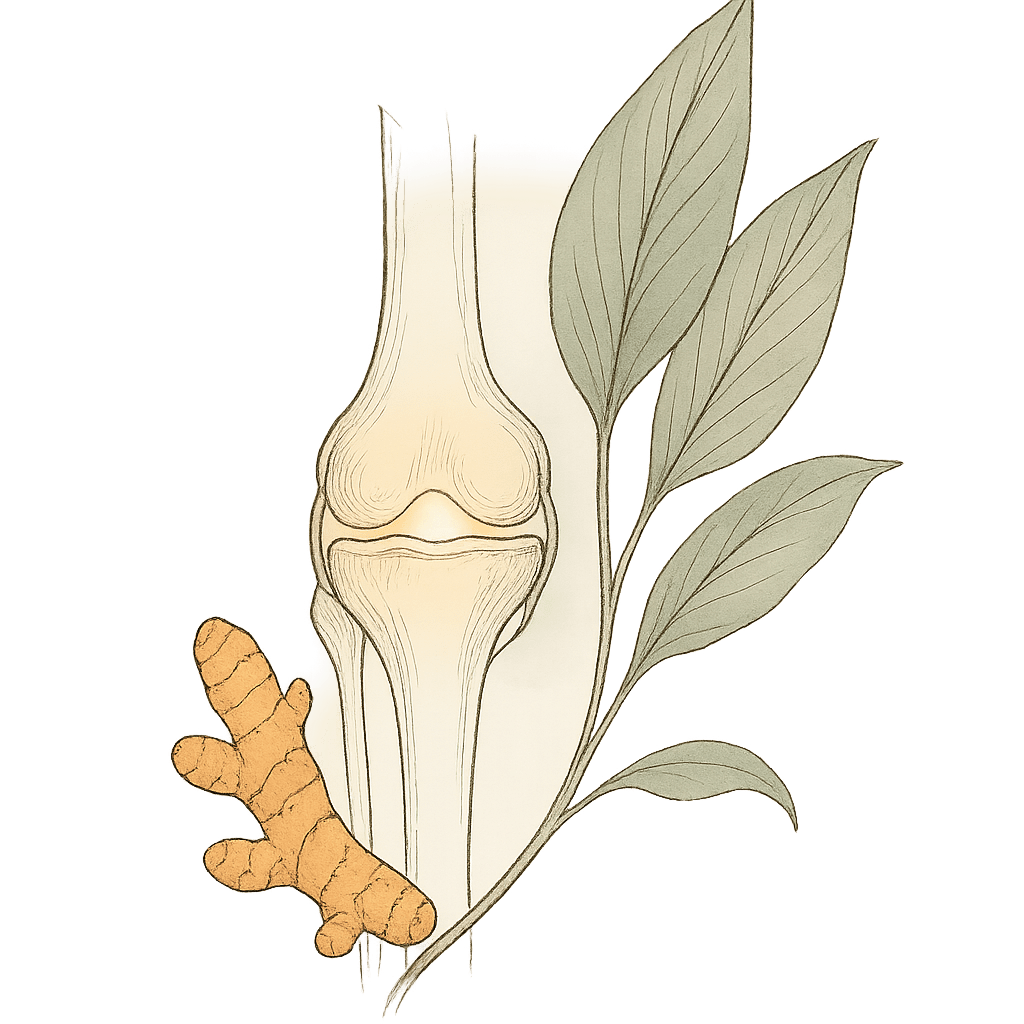
Does Calebin-A help regulate inflammation?
Evidence from 10 studies
What the research shows
These studies suggest Calebin-A helps regulate inflammation by inhibiting key inflammatory pathways, particularly NF-κB signaling, leading to reduced inflammatory markers and improved outcomes in human research.
View the top studies
Biomedicines | Constanze Buhrmann et al. | 50 | 2020
In Vitro Trial , Rigorous Journal , Controlled experimental study
Calebin A, a component of turmeric, inhibits TME-induced NF-β B activation, a major regulator of inflammation, and can suppress CRC cell invasion and malignancy by inhibiting the NF-β B-promoting inflammatory pathway.
Food & function | M. Majeed et al. | 0 | 2023
Randomized Control Trial (RCT)
Calebin A significantly reduced C-reactive protein levels, suggesting a beneficial impact on managing metabolic syndrome-induced inflammation.
Frontiers in Oncology | Aranka Brockmueller et al. | 5 | 2022
Systematic Review
Calebin A, a polyphenolic component of turmeric, has shown health-promoting and anti-tumor properties, including anti-oxidative and anti-inflammatory effects, in diverse cancer cells.
Frontiers in Oncology | Constanze Buhrmann et al. | 14 | 2021
In Vitro Trial , Controlled experimental study
Calebin A downmodulates proliferation, vitality, and migration of CRC cells in multicellular proinflammatory tumor microenvironment, suggesting its potential to suppress inflammation and CRC tumorigenesis.
Reviewed by Experts
Every research snapshot is checked by our independent Scientific Advisory Board: physicians, botanists and pharmacology researchers who verify the evidence grading and its interpretation.
Kerry Hughes
M.Sc., RH(AHG), FDN-P
Ethnobotanist & herbalist; Berkeley Herbal Center; principal at EthnoPharm.
View full profile →Lance Dreher
PhD, Nutritional Counseling
Performance nutrition & conditioning; four decades of applied training science.
View full profile →Dr. Lindsey Faucette
DO, FAAFP
Board-certified in Family & Integrative Medicine; Touro University College of Osteopathic Medicine.
View full profile →Francisco Chacon
PhD, Plant Biology
Botanical natural products & phytochemistry researcher, Penn State University.
View full profile →Meet the full Scientific Advisory Board →
How We Grade Consensus
For each benefit we retrieve the relevant peer-reviewed literature and classify every study by whether its findings support (Yes), partially or conditionally support (Possibly), or do not support (No) the claim. The donut shows the share of studies in each category; N is the number of studies analyzed for that benefit.
Grades reflect the weight and direction of the current evidence, not a guarantee of outcome, and the interpretation is verified by the Scientific Advisory Board.