
Research Snapshot
DHEA
A synthesis of the peer-reviewed evidence for DHEA across mood, inflammation, physical energy and hormones, graded by scientific consensus and reviewed by our Scientific Advisory Board.
See the Research
 Mood
MoodDoes DHEA have mood boosting effects?
Evidence from 12 studies

What the research shows
DHEA shows potential as a mood enhancer, particularly in individuals with specific health conditions or hormonal imbalances. While promising results have been observed in various studies, the effects can vary based on the population and underlying health conditions. Further research is needed to fully understand the scope and mechanisms of DHEA's mood-boosting effects.
View the top studies
Neuropsychopharmacology | R. Sripada et al. | 78 | 2013
Randomized Control Trial (RCT) , Very Rigorous Journal , Highly Cited
DHEA reduces negative affect and enhances activity in regions linked to regulatory processes, suggesting potential mood-boosting effects.
Psychopharmacology | H. Alhaj et al. | 88 | 2006
Randomized Control Trial (RCT) , Rigorous Journal , Highly Cited
DHEA administration improves memory recall and mood in healthy young men, reducing cortisol levels and potentially enhancing pre-hippocampal memory processing.
Current drug targets | C. Peixoto et al. | 41 | 2014
Systematic Review
DHEA has shown promising results in treating depression and depressive symptoms, especially in mild or resistant depression cases.
Hormones and Behavior | S. Vale et al. | 12 | 2015
Non-Randomized Control Trial
DHEA and DHEAS may have mood enhancement effects, as higher DHEAS concentrations and DHEA/cortisol ratio are related to lower depression scores.
 Inflammation
Does DHEA promote cytokine balance?
Evidence from 13 studies
What the research shows
DHEA promotes cytokine balance by enhancing Th1 responses and suppressing Th2 responses, reducing pro-inflammatory cytokines, and potentially through its conversion to active androgens. These effects suggest that DHEA could be beneficial in managing immune-related conditions by modulating cytokine production and maintaining immune homeostasis.
View the top studies
International Journal of Molecular Sciences | Małgorzata Blatkiewicz et al. | 2 | 2021
DHEA and its metabolites reduce cytokine levels involved in inflammation and fibrosis in primary biliary cholangioitis.
Proceedings of the Society for Experimental Biology and Medicine | M. Araghi-Niknam et al. | 52 | 1997
Randomized Control Trial (RCT) , Animal Trial
DHEA supplementation prevents immune dysfunction and increased oxidation induced by murine retrovirus infection.
The journals of gerontology | Khorram et al. | 161 | 1997
Randomized Control Trial (RCT) , Highly Cited
DHEA administration resulted in a 20% increase in serum IGF-I and activation of immune function within 2-20 weeks.
Proceedings of the Society for Experimental Biology and Medicine | P. Inserra et al. | 53 | 1998
Non-Randomized Control Trial , Animal Trial
DHEA and MLT supplementation help regulate immune function in aged female mice by increasing Th1 cytokines and decreasing Th2 cytokines, thus regulating cytokine production.
 Physical Energy
Does DHEA improve vitality for people low in DHEA?
Evidence from 7 studies
What the research shows
DHEA supplementation may offer benefits in terms of vitality and well-being, particularly for those with low DHEA levels or specific conditions like adrenal insufficiency. However, the effects can be modest and inconsistent, and more large-scale, long-term studies are needed to fully understand its efficacy and optimal use.
View the top studies
The Journal of clinical endocrinology and metabolism | G. Johannsson et al. | 179Citations | 2002
Randomized Control Trial (RCT) , Highly Cited
Low dose dehydroepiandrosterone (DHEA) treatment in adult hypopituitary women leads to androgen effects on skin, axillary and pubic hair, and behavioral changes, with minor effects on metabolism.
The Journal of clinical endocrinology and metabolism | P. Hunt et al. | 402 | 2000
Randomized Control Trial (RCT) , Highly Cited
DHEA replacement therapy effectively corrects steroid deficiency and improves mood and fatigue in patients with Addison's disease, without significant adverse events.
Journals of Gerontology Series A: Biomedical Sciences and Medical Sciences | D. Rendina et al. | 27Citations | 2016
Observational Study
Larger decrements in DHEA-S and DHEA may be linked to reduced physical vitality and function, potentially predicting poor health in old age.
Drugs | K. Rutkowski et al. | 155Citations | 2014
Highly Cited
DHEA is a useful drug for some human diseases, but more large-scale randomized controlled trials are needed to confirm its effectiveness and optimal dosing protocols.
 Hormones
Is DHEA integral to hormone production?
Evidence from 6 studies
What the research shows
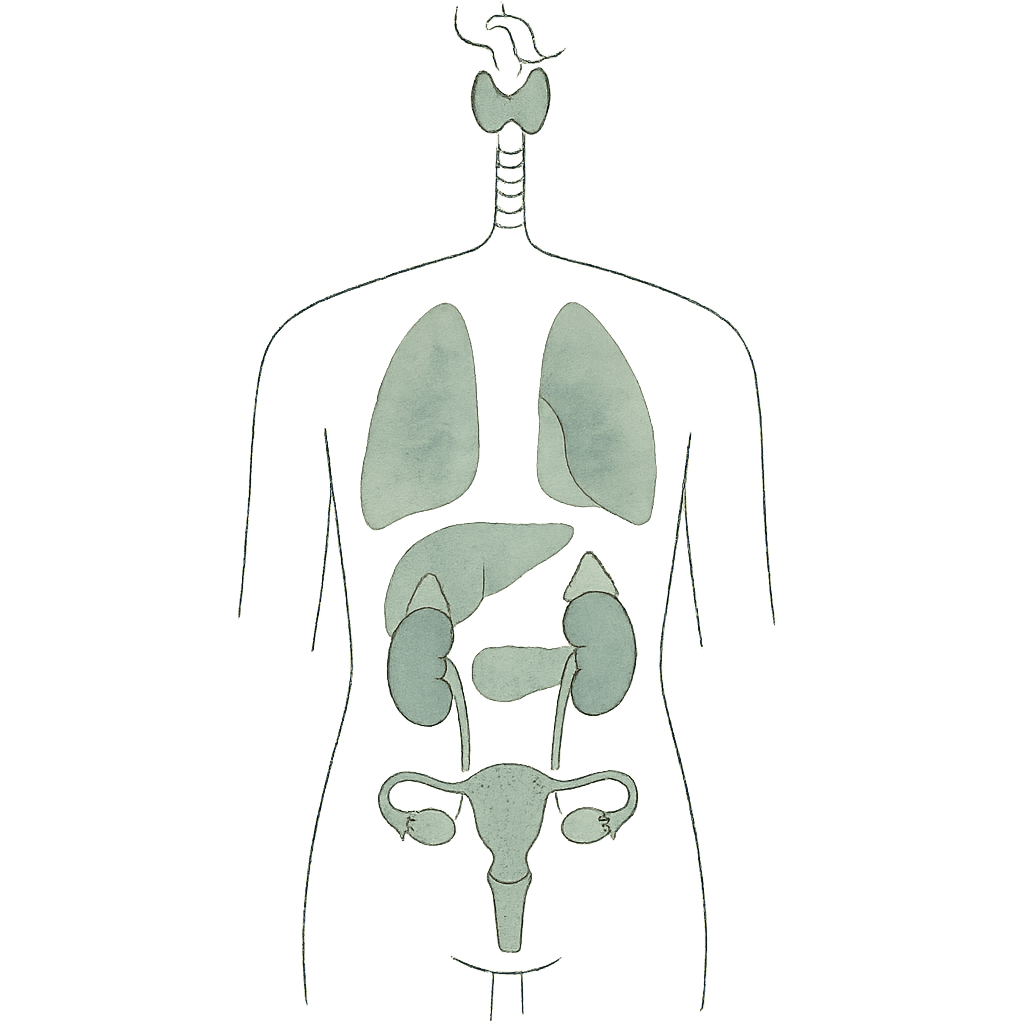
DHEA is a vital prohormone in the production of sex steroids, playing a significant role in hormone regulation and synthesis. Its ability to convert into androgens and estrogens in peripheral tissues underscores its importance in maintaining hormonal balance, particularly in aging populations. While it holds potential therapeutic benefits, more research is necessary to fully understand its clinical applications.
View the top studies
PLoS ONE | Yingqiao Zhou et al. | 24 | 2015
Non-Randomized Control Trial , Animal Trial , Rigorous Journal
DHEA administration in female rats leads to increased androgen and estrogen content, with conversion to estrogens mainly occurring in the ovary through steroidogenic enzyme.
Vitamins and hormones | B. Chimote et al. | 13 | 2018
Literature Review
DHEA plays a vital role in androgen and estrogen formation and may act as an 'oocyte factor' triggering calcium oscillations for oocyte activation.
The Journal of endocrinology | F. Labrie et al. | 460 | 2005
Literature Review
DHEA is a prohormone secreted by the adrenals in humans and other primates, and it plays a role in the local formation of sex steroids, such as estrogens and androgens, in target tissues.
Journal of molecular endocrinology | R. Prough et al. | 119 | 2016
Highly Cited , Literature Review
DHEA actions are associated with age-related changes in cardiovascular tissues, female fertility, metabolism, and neuronal/CNS functions.
Reviewed by Experts
Every research snapshot is checked by our independent Scientific Advisory Board: physicians, botanists and pharmacology researchers who verify the evidence grading and its interpretation.
Kerry Hughes
M.Sc., RH(AHG), FDN-P
Ethnobotanist & herbalist; Berkeley Herbal Center; principal at EthnoPharm.
View full profile →Lance Dreher
PhD, Nutritional Counseling
Performance nutrition & conditioning; four decades of applied training science.
View full profile →Dr. Lindsey Faucette
DO, FAAFP
Board-certified in Family & Integrative Medicine; Touro University College of Osteopathic Medicine.
View full profile →Francisco Chacon
PhD, Plant Biology
Botanical natural products & phytochemistry researcher, Penn State University.
View full profile →Meet the full Scientific Advisory Board →
How We Grade Consensus
For each benefit we retrieve the relevant peer-reviewed literature and classify every study by whether its findings support (Yes), partially or conditionally support (Possibly), or do not support (No) the claim. The donut shows the share of studies in each category; N is the number of studies analyzed for that benefit.
Grades reflect the weight and direction of the current evidence, not a guarantee of outcome, and the interpretation is verified by the Scientific Advisory Board.