
Research Snapshot
Dioscorea nipponica
A synthesis of the peer-reviewed evidence for Dioscorea nipponica across joint health, cardiovascular, inflammation and neuroprotection, graded by scientific consensus and reviewed by our Scientific Advisory Board.
See the Research
 Joint Health
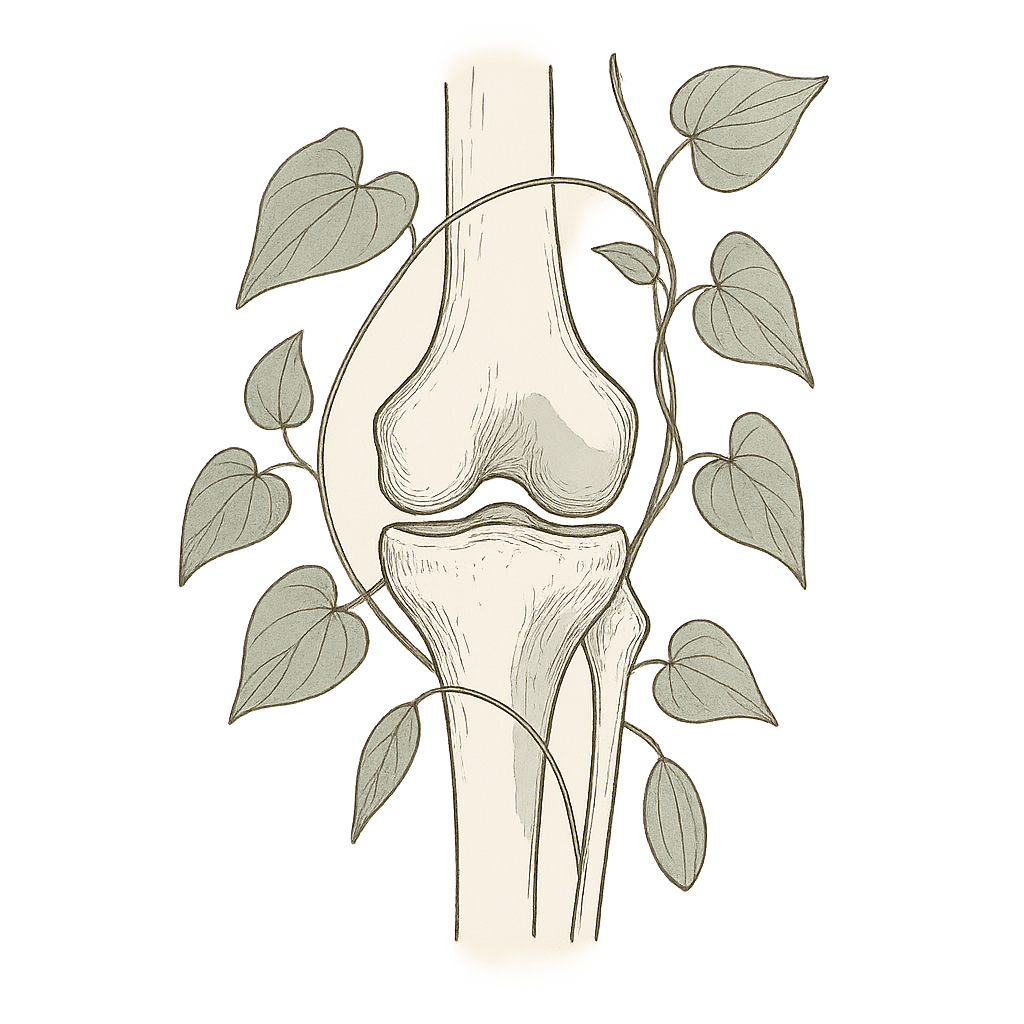
Can Dioscorea nipponica (Protodioscin) balance joint inflammation?
Evidence from 11 studies
What the research shows
Dioscorea nipponica, and specifically its saponin protodioscin, shows strong potential to balance joint inflammation by targeting key inflammatory pathways and modulating immune responses. These effects are well-supported in preclinical models, suggesting its promise as a natural anti-inflammatory agent for joint health.
View the top studies
BMC Complementary Medicine and Therapies | Qi Zhou et al. | 16 | 2020
Animal Trial , Rigorous Journal
Dioscorea nipponica's total saponin fraction (RDN) can improve the situation of the synovial tissue and reduce inflammation in rats with gouty arthritis by influencing the MAPK signalling pathway.
The American journal of Chinese medicine | Yong Cao et al. | 24 | 2019
Non-Randomized Control Trial , Animal Trial
Dioscin treatment significantly reduces the severity of collagen-induced arthritis by inhibiting Th17 cell immune response.
Chinese Journal of Integrative Medicine | Qi Zhou et al. | 20 | 2019
Animal Trial , Controlled experimental study
Dioscorea nipponica may treat gouty arthritis by regulating lysosomal enzymes, antioxidant capacities, and the NALP3 inflammasome.
International immunopharmacology | Yaxian Gao et al. | 0 | 2025
Non-Randomized Control Trial , Animal Trial
Dioscin from Dioscorea nipponica (DDN) can balance joint inflammation by inhibiting TL1A/DR3 expression and Th9 cell function.
 Cardiovascular
Can Dioscorea nipponica (Protodioscin) promote cardiovascular benefits?
Evidence from 9 studies

What the research shows
Dioscorea nipponica and its saponins, including protodioscin, show promising cardiovascular benefits by protecting heart tissue, improving blood lipid profiles, reducing oxidative stress, and inhibiting harmful vascular cell proliferation. These effects support its traditional use and highlight its potential as a natural therapy for cardiovascular health.
View the top studies
Journal of ethnopharmacology | Yina Tang et al. | 74 | 2015
Non-Randomized Control Trial , Animal Trial , Highly Cited
Protodioscin, a bioactive constituent in Dioscorea nipponica, may play an essential role in cardioprotective efficacy.
Journal of ethnopharmacology | Tiejie Wang et al. | 60 | 2012
Non-Randomized Control Trial , Animal Trial
Trillin, a steroidal saponin from Dioscorea nipponica, has robust anti-hyperlipidemic effects and can potentially be used in developing food supplements and therapeutic drugs against hyperlipidemia and cardiovascular diseases.
Chemistry Central Journal | Si-hong Ou-yang et al. | 52 | 2018
Systematic Review
Dioscorea nipponica (Protodioscin) has been shown to improve cardiovascular health.
Journal of ethnopharmacology | Xiaofen Li et al. | 41 | 2021
Systematic Review
Dioscin and diosgenin can effectively improve hypertrophic cardiomyopathy, arrhythmia, myocardial I/R injury, and cardiotoxicity caused by doxorubicin.
 Inflammation
Does Dioscorea nipponica (Protodiocin) reduce pro-inflammatory cytokines?
Evidence from 15 studies
What the research shows
Dioscorea nipponica and its active saponins, including protodioscin, consistently reduce pro-inflammatory cytokines through multiple mechanisms, supporting their potential as anti-inflammatory agents in various contexts.
View the top studies
Journal of ethnopharmacology | Qi Zhou et al. | 32 | 2017
Animal Trial , In Vivo Experiment
Dioscorea nipponica's total saponin fraction (RDN) reduces pro-inflammatory cytokines in rats.
Pharmaceuticals | S. Barbalho et al. | 0 | 2025
Systematic Review
Dioscorea nipponica (Protodiocin) reduces pro-inflammatory cytokines.
International Journal of Molecular Sciences | S. Azam et al. | 6 | 2022
In Vitro Trial
Dioscin, a component of Dioscorea nipponica, protects against neuroinflammation by downregulating pro-inflammatory cytokines and enzymes.
Journal of chromatography. B, Analytical technologies in the biomedical and life sciences | Guiya Yang et al. | 11 | 2022
In Vitro Trial
Protodioscin, dioscin and gracillin, major anti-inflammatory compounds in Dioscorea nipponica, reduce pro-inflammatory cytokines.
 Neuroprotection
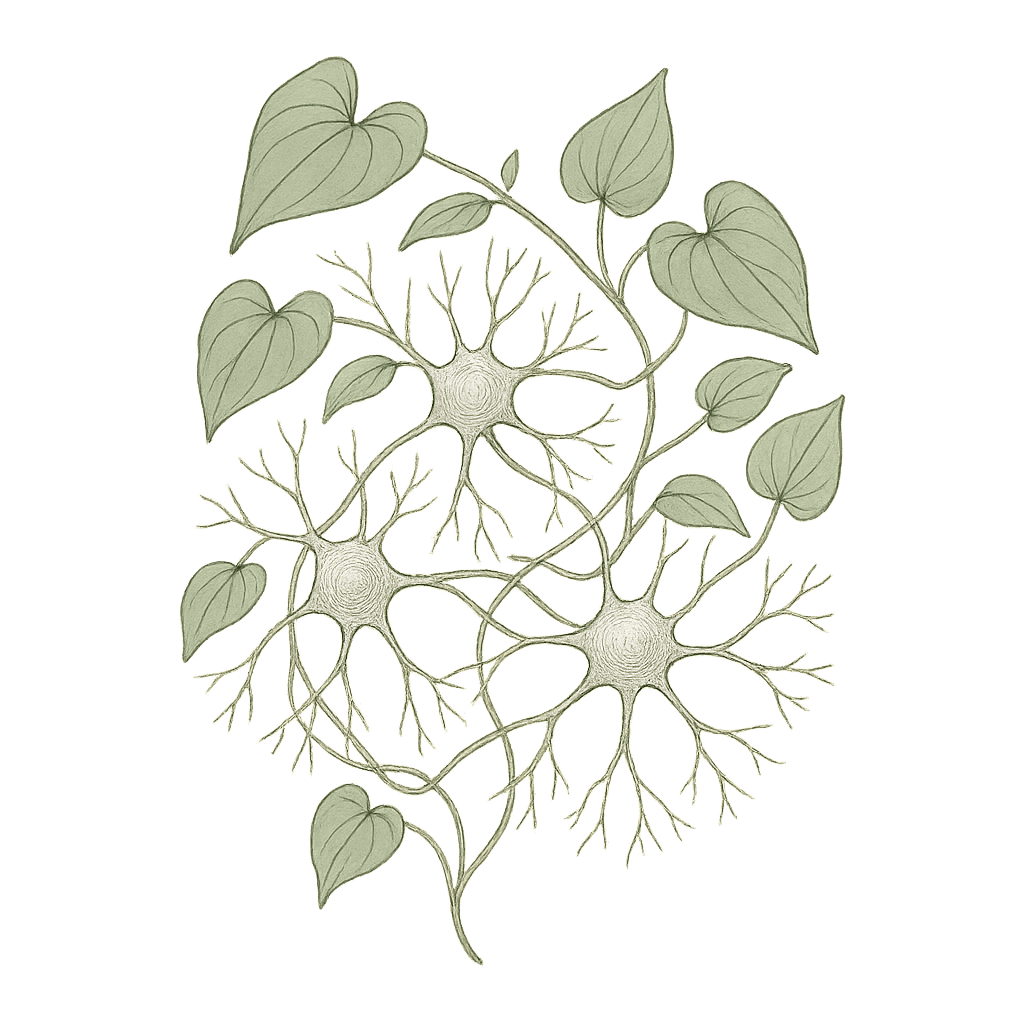
Can Dioscorea nipponica (Protodioscin) enhance neuroprotection?
Evidence from 8 studies
What the research shows
Dioscorea nipponica and its active saponin protodioscin demonstrate significant neuroprotective properties by reducing neuroinflammation, protecting neurons from toxic insults, and enhancing neurotrophic support. These findings support the potential of protodioscin as a neuroprotective agent, especially in conditions involving neuroinflammation or neurodegeneration.
View the top studies
International Journal of Molecular Sciences | S. Azam et al. | 6 | 2022
In Vitro Trial
Dioscin, a component of Dioscorea nipponica, protects against neurotoxicity by suppressing NF-α B phosphorylation and upregulating neurotrophic factor BDNF.
Journal of Functional Foods | Ha-Rim Lee et al. | 5 | 2019
In Vitro Trial
DA-9801, a standardized extract of Dioscorea nipponica, protects primary cortical neurons from hyperglycemia-induced neurotoxicity.
Biological & pharmaceutical bulletin | T. Kang et al. | 65 | 2011
Non-Randomized Control Trial , Animal Trial
Diosgenin from Dioscorea nipponica (Protodioscin) reverses functional and ultrastructural changes and induces neural regeneration in a diabetic neuropathy model.
Bioorganic & medicinal chemistry letters | Yi Huang et al. | 20 | 2021
In Vitro Trial
Diosgenin-triazolyl hybrids, including compound L6, show potential as efficient anti-Alzheimer agents by targeting inflammation and neuroprotection.
Reviewed by Experts
Every research snapshot is checked by our independent Scientific Advisory Board: physicians, botanists and pharmacology researchers who verify the evidence grading and its interpretation.
Kerry Hughes
M.Sc., RH(AHG), FDN-P
Ethnobotanist & herbalist; Berkeley Herbal Center; principal at EthnoPharm.
View full profile →Lance Dreher
PhD, Nutritional Counseling
Performance nutrition & conditioning; four decades of applied training science.
View full profile →Dr. Lindsey Faucette
DO, FAAFP
Board-certified in Family & Integrative Medicine; Touro University College of Osteopathic Medicine.
View full profile →Francisco Chacon
PhD, Plant Biology
Botanical natural products & phytochemistry researcher, Penn State University.
View full profile →Meet the full Scientific Advisory Board →
How We Grade Consensus
For each benefit we retrieve the relevant peer-reviewed literature and classify every study by whether its findings support (Yes), partially or conditionally support (Possibly), or do not support (No) the claim. The donut shows the share of studies in each category; N is the number of studies analyzed for that benefit.
Grades reflect the weight and direction of the current evidence, not a guarantee of outcome, and the interpretation is verified by the Scientific Advisory Board.