
Research Snapshot
Erinamax
A synthesis of the peer-reviewed evidence for Erinamax across memory, cognition, nerve support and neuroprotection, graded by scientific consensus and reviewed by our Scientific Advisory Board.
See the Research
 Memory
Does Erinacine A (Hericium erinaceus mycelium) improve memory decline?
Evidence from 8 studies
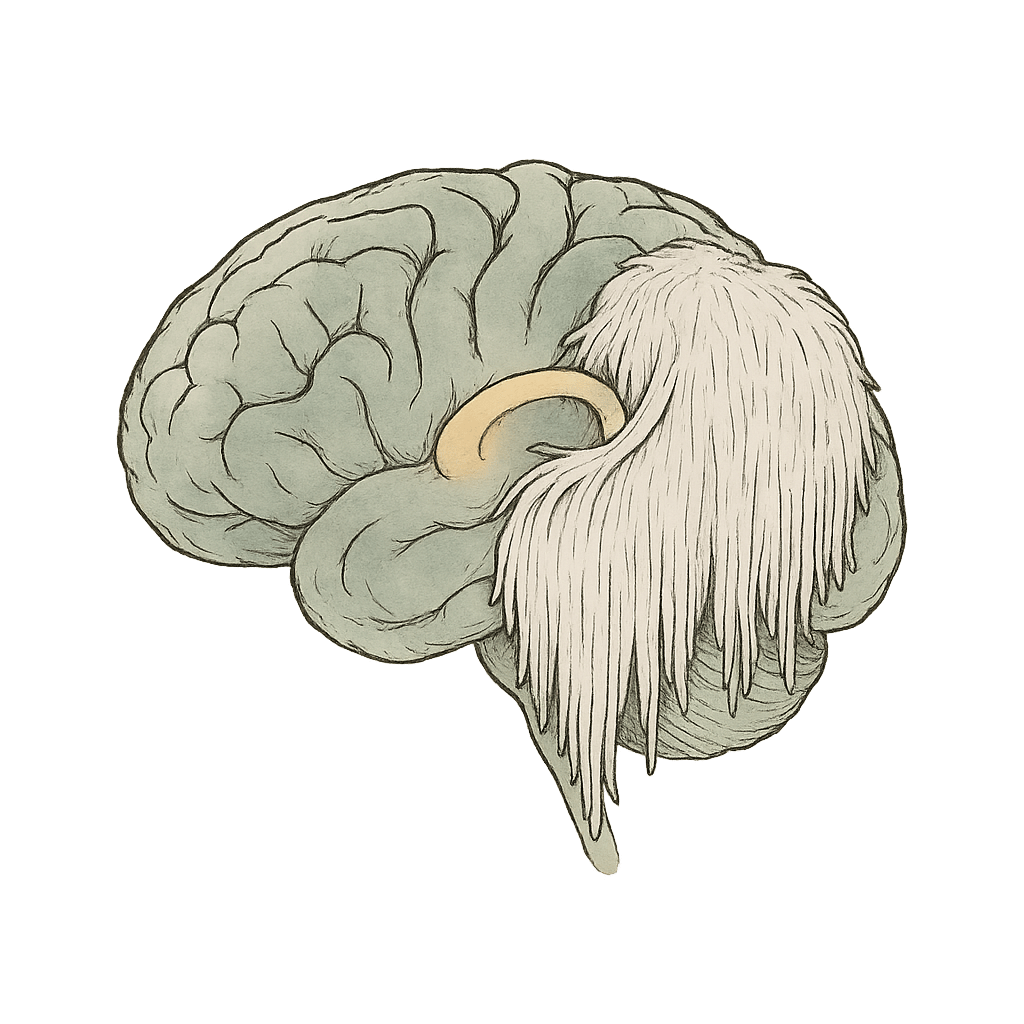
What the research shows
These studies suggest Erinacine A-enriched Hericium erinaceus mycelium improves memory and cognitive function in both animal models and human studies.
View the top studies
International journal of medicinal mushrooms | A. Fijalkowska et al. | 0 | 2023
Animal Trial , Controlled experimental study
Lion's mane supplementation improves long-term memory in male mice.
International journal of medicinal mushrooms | P. Rossi et al. | 25 | 2018
Animal Trial , Controlled experimental study
Oral supplementation with H. erinaceus (lion's mane) yields specific and selective improvements in recognition memory without altering spatial working memory in mice.
Nutrients | M. Monica et al. | 0 | 2023
Randomized Control Trial (RCT)
Nordic Lion's Mane extract helped improve working memory, complex attention, and reaction time 2 hours post ingestion.
Journal of Clinical and Translational Research | J. Lewis et al. | 15 | 2021
Systematic Review
Lion's mane mushroom may be promising for treating some aspects of cognitive impairment, especially for people afflicted with Alzheimer's disease.
 Cognition
Does Hericium erinaceus improve cognitive function?
Evidence from 19 studies
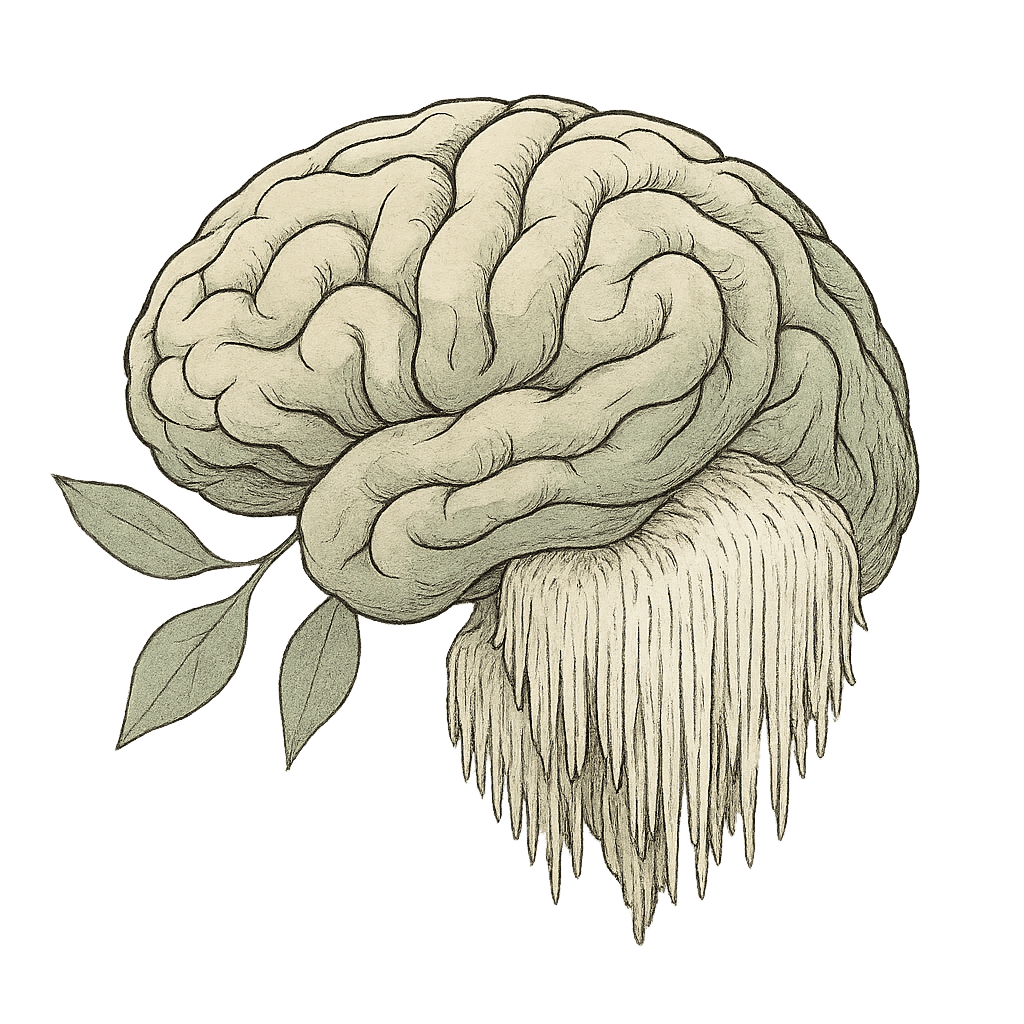
What the research shows
Human research directly testing erinacine A-standardized Hericium erinaceus mycelium, including a placebo-controlled trial, shows measurable improvements in cognitive scores, supported by a broad and consistent base of animal and mechanistic studies demonstrating neurotrophic and neuroprotective effects. While much of the supporting evidence remains preclinical (cellular and animal models), the findings across study types are largely convergent in supporting a cognitive-function benefit.”,
View the top studies
Frontiers in Aging Neuroscience | I-Chen Li, Han‐Hsin Chang, Chuan‐Han Lin | 107 | 2020
Double Blind Study , Highly Cited
In a pilot double-blind, placebo-controlled trial, patients with early cognitive decline who took erinacine A-enriched Hericium erinaceus mycelium capsules for 49 weeks showed significant improvements in cognitive assessment scores compared to placebo. Neuroimaging and biomarker data also suggested favorable changes associated with the erinacine A treatment. This is the most directly relevant human evidence for an erinacine A-standardized mycelium product.
Frontiers in pharmacology | Spangenberg ET, Moneypenny A, Bozzo GG, Perreault ML. | 1 | 2025
Animal Trial , In Vivo Experiment , Systematic Review , Meta Analysis
This systematic review synthesized preclinical (cellular and rodent) studies specifically examining erinacine compounds derived from Hericium erinaceus mycelium and their neurobiological effects. The review found consistent evidence that erinacines promote neurotrophic signaling and neuroprotection relevant to cognitive support, while highlighting variability tied to chemical complexity across preparations.
Journal of Biomedical Science | Tsai-Teng Tzeng, Chin‐Chu Chen, Li‐Ya Lee | 118 | 2016
Animal Trial , Highly Cited
In a transgenic mouse model of Alzheimer's disease, 30 days of oral erinacine A-enriched Hericium erinaceus mycelium reduced cerebral amyloid plaque burden and improved pathological markers associated with cognitive decline. This mechanistic animal study directly used the erinacine A-standardized mycelium form matching the product.
International Journal of Molecular Sciences | Kam-Fai Lee, Jiann-Hwa Chen, Chih‐Chuan Teng | 122 | 2014
Randomized Control Trial (RCT) , Animal Trial , In Vivo Experiment , Highly Cited
In a rat model of ischemic stroke, treatment with Hericium erinaceus mycelium and its isolated erinacine A compound reduced neuronal cell death and inflammatory markers linked to brain injury, supporting a neuroprotective mechanism relevant to cognitive preservation. This mechanistic study used the same erinacine A/mycelium form as the product.
 Nerve Support
Does lion’s mane mycelium enhance nerve growth factor?
Evidence from 40 studies
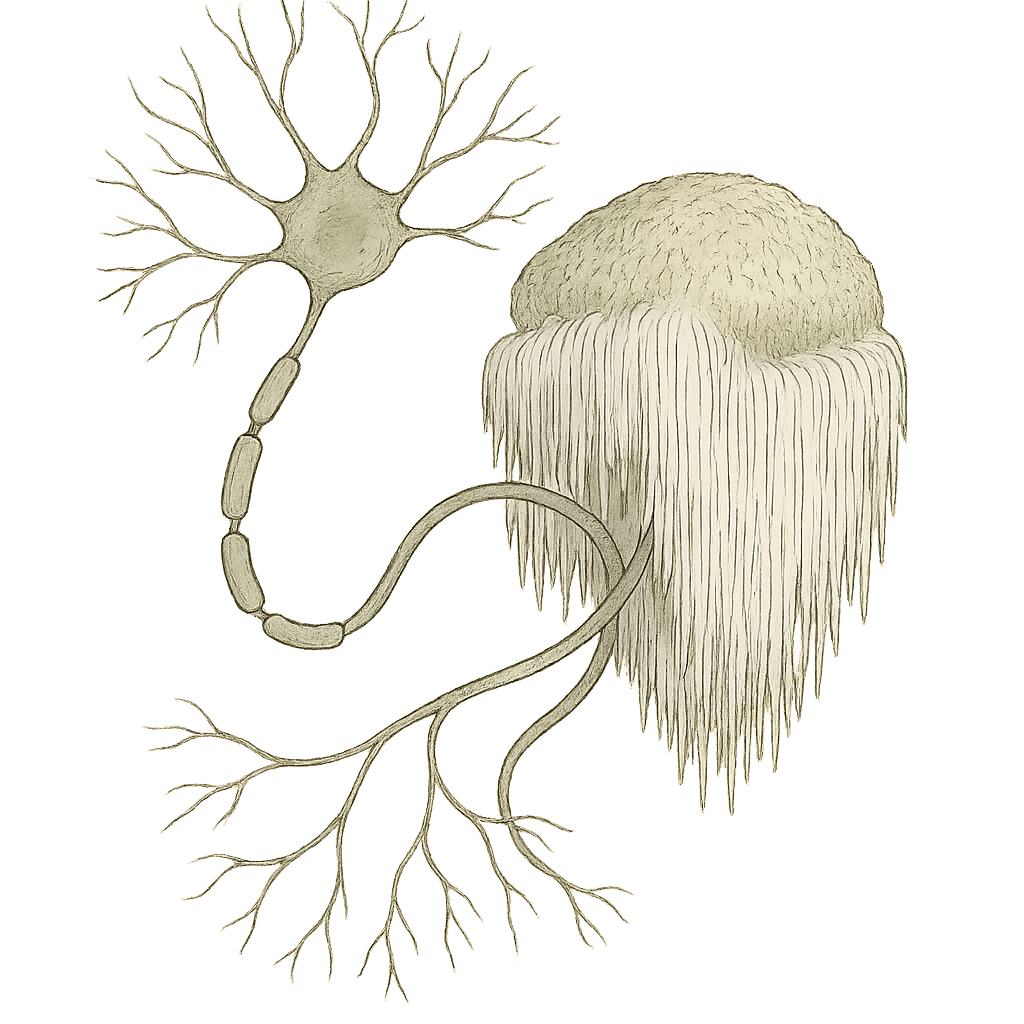
What the research shows
The evidence base for lion's mane mycelium (erinacine A) enhancing nerve growth factor is broad and consistent, but is overwhelmingly derived from animal, cellular, and mechanistic studies rather than human trials measuring NGF directly. These preclinical studies consistently show that mycelium-derived erinacine compounds stimulate neurotrophic signaling and support neuroprotection across multiple injury and aging models. Human research on lion's mane exists but has largely used fruiting-body extracts and cognitive/mood outcomes rather than directly measuring NGF, so mycelium-specific human biomarker data remain limited.
View the top studies
Frontiers in pharmacology | Spangenberg ET, Moneypenny A, Bozzo GG, Perreault ML. | 1 | 2025
Animal Trial , In Vivo Experiment , Systematic Review , Meta Analysis
This systematic review synthesized preclinical (cellular and rodent) studies specifically on erinacines, the mycelium-derived diterpenoid compounds, and found consistent evidence that they induce neurotrophic signaling, including NGF pathway activation, and confer neuroprotection. As a systematic review focused specifically on erinacine compounds (the mycelium-specific active class), it represents the highest-quality synthesis of mycelium-relevant mechanistic evidence available.
International Journal of Molecular Sciences | Kam-Fai Lee, Jiann-Hwa Chen, Chih‐Chuan Teng | 122 | 2014
Randomized Control Trial (RCT) , Animal Trial , In Vivo Experiment , Highly Cited
In a rat model of ischemic brain injury, treatment with Hericium erinaceus mycelium and its isolated compound erinacine A reduced neuronal cell death, brain infarct volume, and inflammatory markers (iNOS, p38 MAPK, nitrotyrosine). This directly links the mycelium-derived erinacine A compound to neuroprotective and NGF-associated signaling benefits in a controlled animal model.
Antioxidants (Basel, Switzerland) | Lee KF, Hsieh YY, Tung SY, Teng CC, Cheng KC, Hsieh MC, Huang CY, Lee KC, Lee LY, Chen WP, Chen CC, Kuo HC. | 11 | 2024
Animal Trial , In Vivo Experiment
In a rat model of mild traumatic brain injury, dietary supplementation with H. erinaceus mycelium and its erinacine C compound improved oxidative stress markers and neurological outcomes via Nrf2-dependent pathways in both live animals and primary glial cells. This supports the mycelium/erinacine class of compounds as neuroprotective and consistent with NGF-related mechanisms.
Behavioural Neurology | I-Chen Li, Li‐Ya Lee, Tsai-Teng Tzeng | 121 | 2018
In Vivo Experiment , Highly Cited
This review focused specifically on Hericium erinaceus mycelia enriched with erinacines, summarizing evidence that erinacine A has confirmed central nervous system pharmacological actions including induction of nerve growth factor. It highlights erinacine A as the primary bioactive compound responsible for NGF stimulation from the mycelium form specifically, directly matching the product's standardized ingredient.
 Neuroprotection
Does Erinacine A have neuroprotective benefits?
Evidence from 35 studies
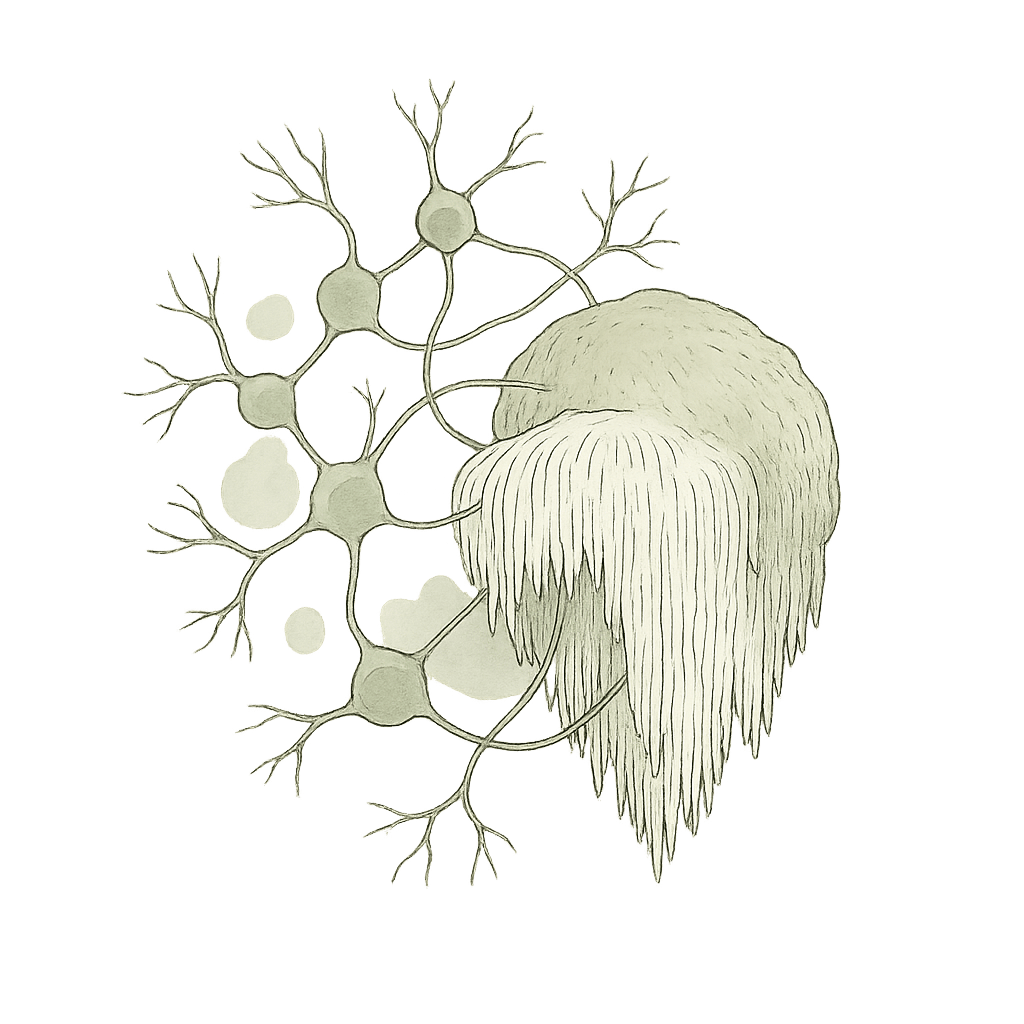
What the research shows
A body of preclinical animal and cell studies consistently shows that erinacine A and erinacine-enriched mycelium reduce oxidative stress, inflammation, and neuronal cell death while supporting nerve growth factor-related pathways across multiple injury and aging models. A small pilot double-blind human trial also reported cognitive and biomarker improvements, but overall the evidence base is still predominantly preclinical, with only limited human confirmation to date.”,
View the top studies
Frontiers in Aging Neuroscience | I-Chen Li, Han‐Hsin Chang, Chuan‐Han Lin | 107 | 2020
Double Blind Study , Highly Cited
This pilot double-blind, placebo-controlled human trial administered erinacine A-enriched Hericium erinaceus mycelia capsules (5mg/g erinacine A) daily for 49 weeks to patients with early-stage cognitive decline. The treatment group showed significant improvements in cognitive assessments and favorable changes in neuroimaging and biomarkers compared to placebo, supporting a neuroprotective/cognitive benefit of erinacine A-standardized mycelium supplementation in humans.
Journal of Biomedical Science | Tsai-Teng Tzeng, Chin‐Chu Chen, Li‐Ya Lee | 118 | 2016
Animal Trial , Highly Cited
In a transgenic mouse model of amyloid pathology, oral administration of erinacine A-enriched Hericium erinaceus mycelium for 30 days reduced cerebral amyloid plaque burden and improved pathology-related markers. This preclinical study directly used the mycelium/erinacine A form matching the product and demonstrates a neuroprotective mechanism in vivo.
International Journal of Molecular Sciences | Kam-Fai Lee, Jiann-Hwa Chen, Chih‐Chuan Teng | 122 | 2014
Randomized Control Trial (RCT) , Animal Trial , In Vivo Experiment , Highly Cited
This rat study examined H. erinaceus mycelium and its isolated erinacine A against neuronal cell death following ischemic brain injury. Treatment reduced infarct volume and inflammatory cytokines via inhibition of iNOS/p38 MAPK signaling, indicating a mechanistic neuroprotective effect specific to erinacine A from mycelium.
Antioxidants | Kam-Fai Lee, Shui‐Yi Tung, Chih‐Chuan Teng | 39 | 2020
Animal Trial , In Vitro Trial , In Vivo Experiment
This study tested post-treatment erinacine A (derived from H. erinaceus mycelium) in an animal model of dopaminergic neurotoxicity, finding reduced cell death, reactive oxygen species, and improved cell viability, supporting a protective effect on neurons under toxic/oxidative stress even when given after injury onset.
Reviewed by Experts
Every research snapshot is checked by our independent Scientific Advisory Board: physicians, botanists and pharmacology researchers who verify the evidence grading and its interpretation.
Kerry Hughes
M.Sc., RH(AHG), FDN-P
Ethnobotanist & herbalist; Berkeley Herbal Center; principal at EthnoPharm.
View full profile →Lance Dreher
PhD, Nutritional Counseling
Performance nutrition & conditioning; four decades of applied training science.
View full profile →Dr. Lindsey Faucette
DO, FAAFP
Board-certified in Family & Integrative Medicine; Touro University College of Osteopathic Medicine.
View full profile →Francisco Chacon
PhD, Plant Biology
Botanical natural products & phytochemistry researcher, Penn State University.
View full profile →Meet the full Scientific Advisory Board →
How We Grade Consensus
For each benefit we retrieve the relevant peer-reviewed literature and classify every study by whether its findings support (Yes), partially or conditionally support (Possibly), or do not support (No) the claim. The donut shows the share of studies in each category; N is the number of studies analyzed for that benefit.
Grades reflect the weight and direction of the current evidence, not a guarantee of outcome, and the interpretation is verified by the Scientific Advisory Board.