
Research Snapshot
MicroZinc
A synthesis of the peer-reviewed evidence for MicroZinc across hormones, immune, recovery and skin health, graded by scientific consensus and reviewed by our Scientific Advisory Board.
See the Research
 Hormones
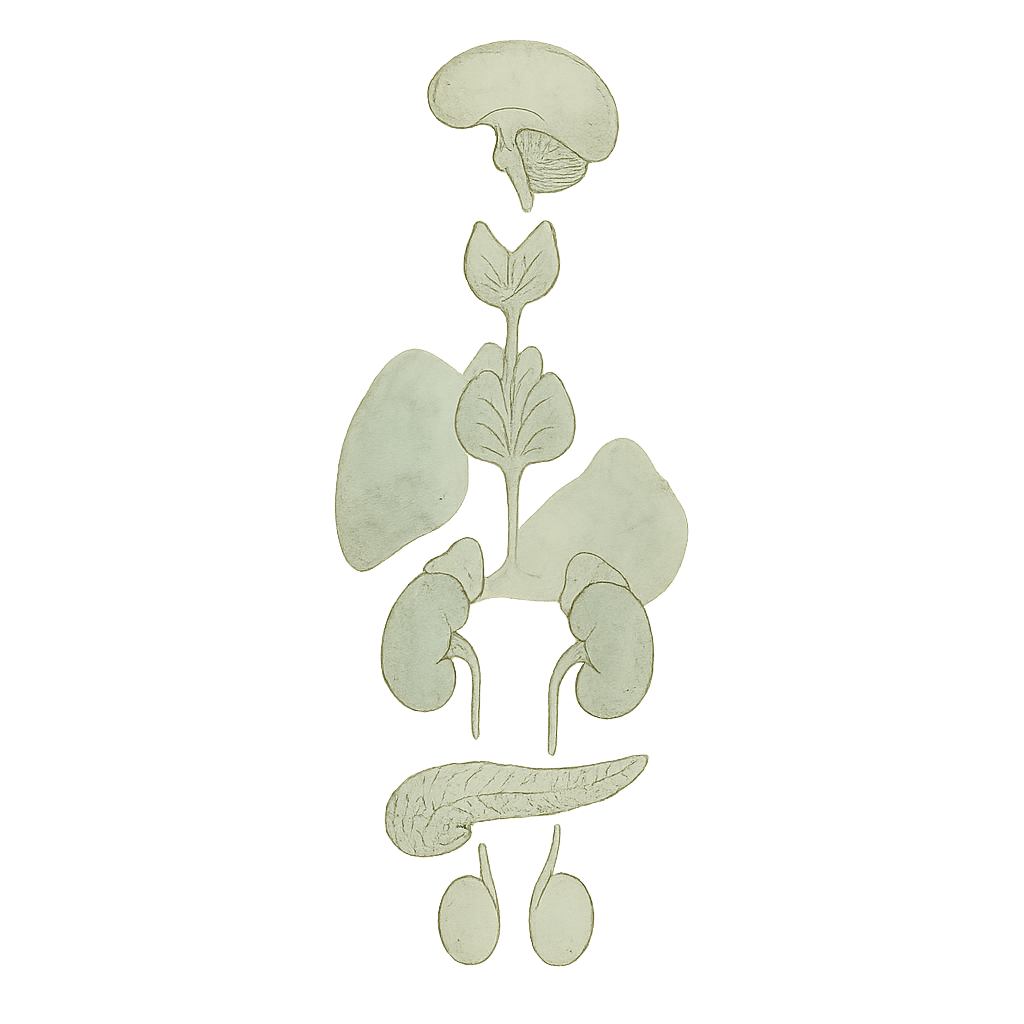
Is Zinc important for hormone production?
Evidence from 11 studies
What the research shows
Zinc is a vital mineral for the production and regulation of several hormones, including insulin, thyroid hormones, reproductive hormones, and growth hormone. Its deficiency can lead to significant hormonal imbalances and associated health issues. Therefore, maintaining adequate zinc levels is crucial for hormonal health and overall well-being.
View the top studies
Biological Trace Element Research | A. Favier | 163 | 2007
Rigorous Journal , Highly Cited
Zinc is important for hormone production, as it affects the metabolism of androgen hormones, estrogen, and progesterone.
Pakistan journal of pharmaceutical sciences | A. Baltaci et al. | 91 | 2019
Highly Cited , Systematic Review
Zinc plays critical roles in hormone production, including growth hormone synthesis, insulin regulation, and thyroid hormone metabolism.
Biological Trace Element Research | Kyria Jayanne Clímaco Cruz et al. | 51 | 2018
Systematic Review
Zinc plays an important role in the synthesis and secretion of insulin, as well as its signaling pathway of action.
ournal of trace elements in medicine and biology : organ of the Society for Minerals and Trace Elements | Nutrition reviews | 4 | 1991
Zinc increases the binding affinity of human growth hormone to human prolactin receptor protein, supporting plasma membrane function and signal transduction.
 Immune
Does Zinc support immune system function?
Evidence from 10 studies
What the research shows
These studies suggest zinc supports immune system function by regulating immune cell activity, signaling pathways, and reducing inflammation.
View the top studies
Advances in Nutrition | S. Read et al. | 493 | 2019
Very Rigorous Journal , Highly Cited , Literature Review
Zinc is crucial for growth, development, and maintaining immune function, and has antiviral activity against various viruses.
Nutrients | I. Wessels et al. | 424 | 2017
Very Rigorous Journal , Highly Cited
Zinc is essential for immune system function and plays a role in regulating intracellular signaling pathways in innate and adaptive immune cells.
Autoimmunity reviews | P. Bonaventura et al. | 531 | 2015
Highly Cited , Comprehensive Review
Zinc modulates the immune response and affects cells involved in both innate and adaptive immunity, while chronic deficiency increases inflammation.
The American journal of clinical nutrition | A. Shankar et al. | 1563 | 1998
Highly Cited , Comprehensive Review
Zinc plays a central role in the immune system, affecting multiple aspects of the immune system and supporting the development and function of cells like neutrophils and natural killer cells.
 Recovery
Is Zinc important for tissue repair?
Evidence from 16 studies
What the research shows
Zinc is a critical element in both wound healing and bone repair, facilitating various biological processes necessary for effective tissue regeneration. Its role as a cofactor in enzyme systems and its ability to enhance cell proliferation and angiogenesis underscore its importance in medical applications related to tissue repair.
View the top studies
Nutrients | P. Lin et al. | 353v | 2017
Very Rigorous Journal , Highly Cited , Systematic Review , Comprehensive Review
Zinc is essential for wound healing as it plays important roles in cell membrane repair, cell proliferation, growth, and immune system function.
Journal of materials chemistry | Xin Wen et al. | 9 | 2023
Systematic Review , Comprehensive Review
Zinc-containing materials enhance bone repair by promoting cell proliferation, osteogenic activity, angiogenesis, and inhibiting osteoclast differentiation.
Archives of surgery | Henzel Jh et al. | 132 | 1970
Highly Cited , Comprehensive Review
Zinc has a beneficial effect on wound healing and is essential for the function of several biologic enzymes.
Blood | L. Iovino et al. | 11 | 2022
Animal Trial , In Vivo Experiment
Zinc plays a complex role in thymic repair following injury in mice, stimulating endothelial cell BMP4 release and thymic epithelial regeneration.
 Skin Health
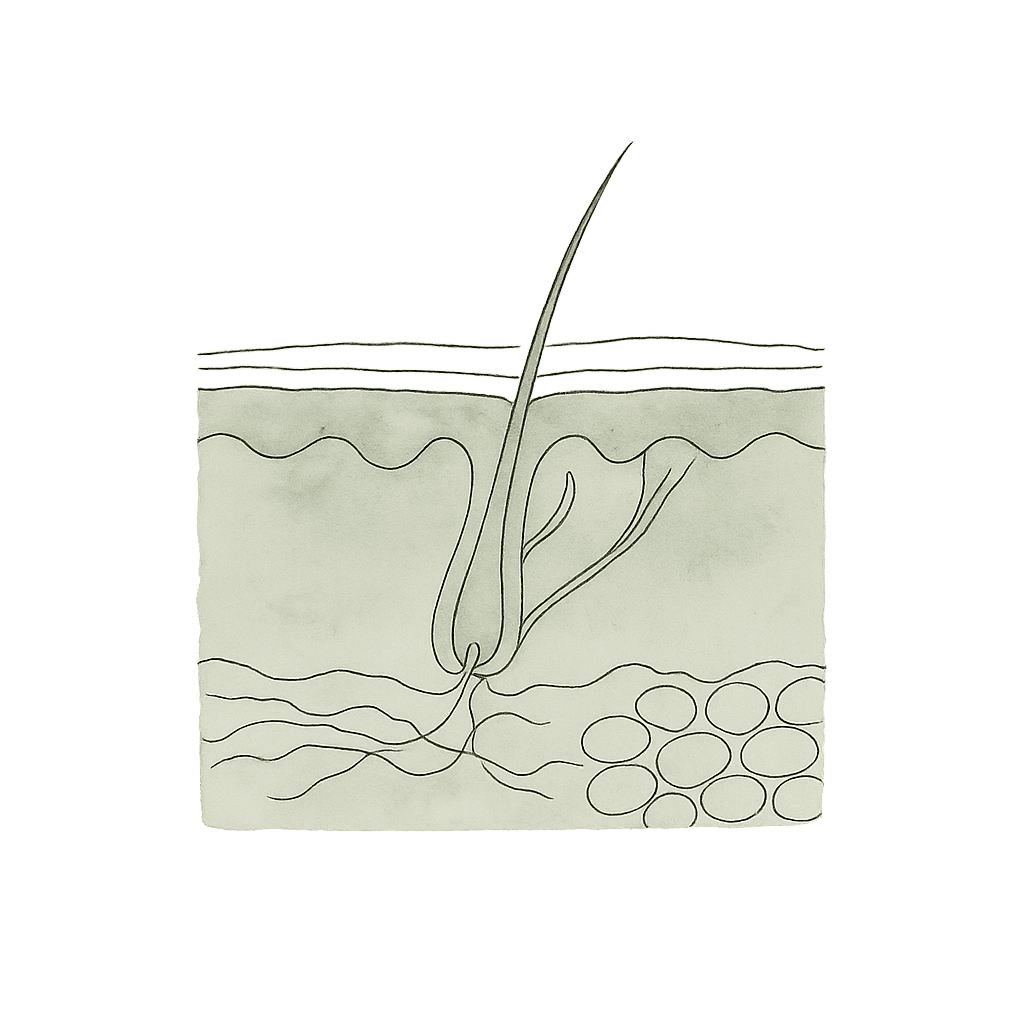
Is Zinc important for healthy skin and hair?
Evidence from 9 studies
What the research shows
Zinc is vital for both skin and hair health due to its roles in maintaining skin integrity, acting as an antioxidant, and supporting hair growth. Deficiencies in zinc can affect skin appearance and hair health, highlighting the importance of adequate zinc intake for overall dermatological health.
View the top studies
International Journal of Dermatology | E. Rostan et al. | 254 | 2002
Highly Cited
Zinc protects against free radical-induced oxidative damage, enhances wound healing, and contributes to immune and neuropsychiatric functions, helping maintain healthy skin and hair.
International Journal of Molecular Sciences | Z. Al-Khafaji et al. | 3 | 2022
Comprehensive Review
Zinc has wound healing and antimicrobial properties, and is important for maintaining the integrity of the integumentary system, which includes skin health.
Nutrients | A. Uwitonze et al. | 43 | 2020
Very Rigorous Journal , Comprehensive Review
Zinc is present in the human body in an amount of 10%, and is essential for maintaining skeletal growth, development, and function, as well as basic cellular functions.
Quality indicators | J. Scwhartz et al. | 111 | 2006
Highly Cited , Literature Review
Zinc plays a critical role in skin health and function, especially in wound healing and inflammation reduction.
Reviewed by Experts
Every research snapshot is checked by our independent Scientific Advisory Board: physicians, botanists and pharmacology researchers who verify the evidence grading and its interpretation.
Kerry Hughes
M.Sc., RH(AHG), FDN-P
Ethnobotanist & herbalist; Berkeley Herbal Center; principal at EthnoPharm.
View full profile →Lance Dreher
PhD, Nutritional Counseling
Performance nutrition & conditioning; four decades of applied training science.
View full profile →Dr. Lindsey Faucette
DO, FAAFP
Board-certified in Family & Integrative Medicine; Touro University College of Osteopathic Medicine.
View full profile →Francisco Chacon
PhD, Plant Biology
Botanical natural products & phytochemistry researcher, Penn State University.
View full profile →Meet the full Scientific Advisory Board →
How We Grade Consensus
For each benefit we retrieve the relevant peer-reviewed literature and classify every study by whether its findings support (Yes), partially or conditionally support (Possibly), or do not support (No) the claim. The donut shows the share of studies in each category; N is the number of studies analyzed for that benefit.
Grades reflect the weight and direction of the current evidence, not a guarantee of outcome, and the interpretation is verified by the Scientific Advisory Board.