







The Longjack Plant Explained: From Root To Extract

 Add us as a preferred source on Google
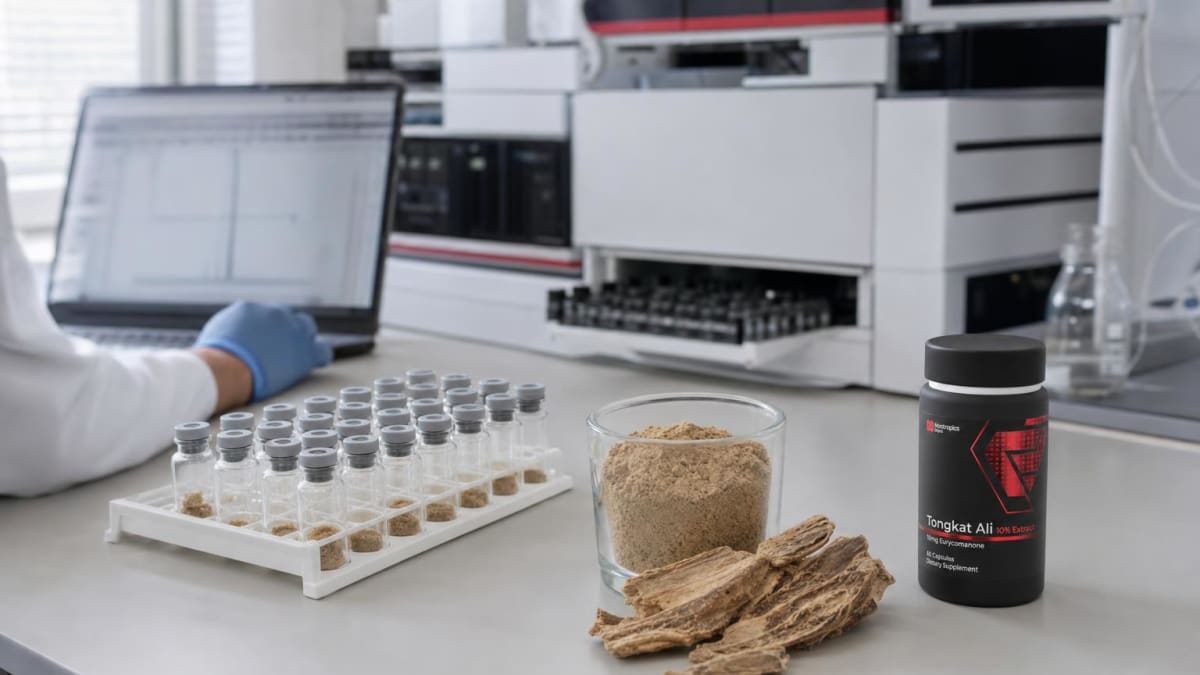
Tongkat ali, longjack, and Eurycoma longifolia (its botanical name) all refer to the same plant. If you have shopped for the extract, you have probably met the marketing before you met the plant itself. This article stays on the plant: what it actually is, where it grows, which part of it carries the active compounds, and how we turn a slow-growing Southeast Asian root into a standardized, tested extract you can trust.
What Is the Long Jack Plant?
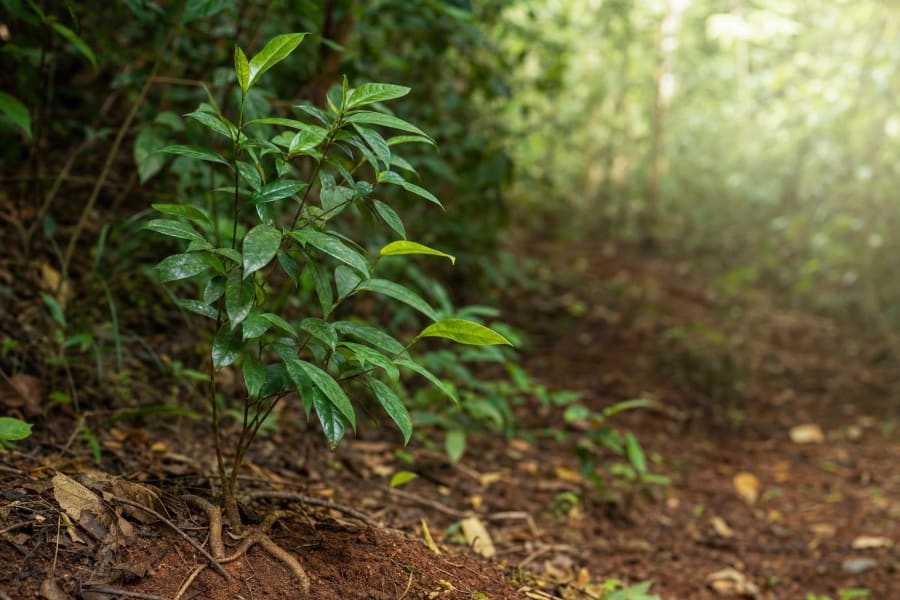
Long jack is the common English name for Eurycoma longifolia, a slender flowering shrub or small tree native to the rainforests of Southeast Asia. In Malaysia and Indonesia it is better known as tongkat ali, which translates roughly to "Ali's walking stick," a nod to its long, straight taproot. That taproot is the whole point, since it is the part of the plant that has long been studied and the part our extracts come from.
The plant grows slowly, often taking years before the root is mature enough to be worth harvesting, which is part of why quality material is not cheap. If you want the full picture of the compound beyond the botany, our Tongkat Ali: The Complete Guide covers the whole topic at a glance, and you can see our current lineup in the Tongkat Ali (Long Jack) supplements collection.
Long Jack, Tongkat Ali, Eurycoma Longifolia: One Plant, Many Names
| Name | Origin / Use | |
|---|---|---|
| Eurycoma longifolia | Botanical name | Appears on lab COAs |
| Tongkat ali | Malay name | Most common on labels |
| Longjack | English common name | Western supplement market |
| Pasak bumi | Indonesian name | Imported material |
The naming can get confusing fast, so here is the short version. All of these refer to the same species, just in different languages and contexts.
- Eurycoma longifolia is the botanical name, the one you will find on a certificate of analysis.
- Tongkat ali is the Malay name and the most common name on supplement labels.
- Longjack (or long jack) is the anglicized common name.
- Pasak bumi is the Indonesian name you may see on imported material.
Belonging to the Simaroubaceae family, the plant is a relative of other bitter-rooted species, which tracks: the root is famously bitter, and that bitterness comes from the same class of compounds that make it interesting in the first place.
Why the Root is the Part That Matters
Not all of the long jack plant is created equal. The leaves, stems, and bark contain some compounds, but the mature taproot is where the bioactives of interest concentrate. The headline compound is eurycomanone, a quassinoid that researchers use as the primary marker for a quality extract, alongside a broader family of eurycomanoids and bioactive peptides.
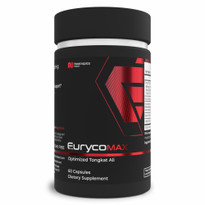
This is exactly why standardization matters so much with this plant. Two products labeled "tongkat ali" can differ enormously in how much eurycomanone they actually contain, because that depends on root quality, maturity, and the extraction process. We standardize our extract to a verified eurycomanone content, and because our Product Specialist Emiel found that percentages confuse a lot of people, we now list the actual milligrams of eurycomanone on the label rather than leaving you to do the math. You can read more about what separates a real extract from a weak one in our deep dive on tongkat ali extracts.
What the Research Says About the Plant's Bioactives
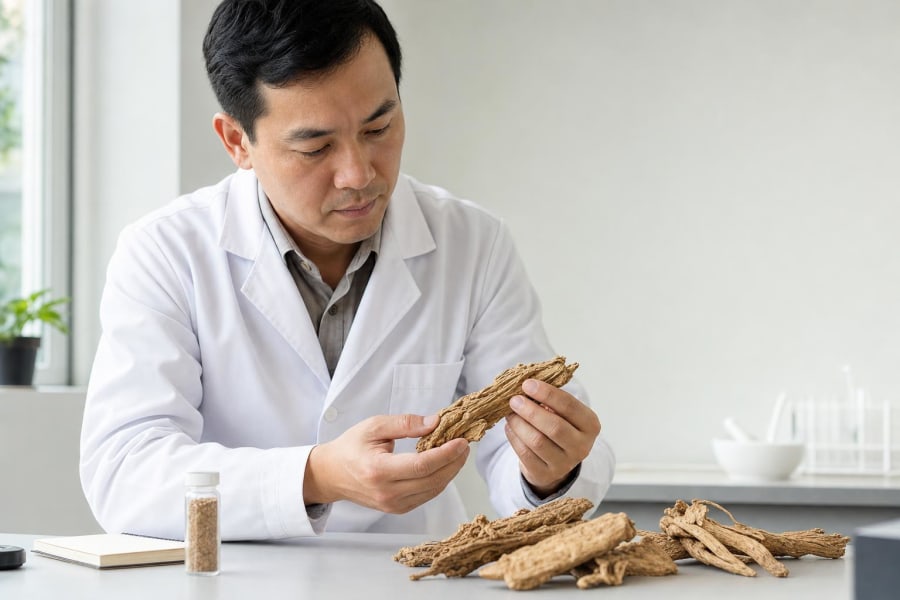
The long jack plant has long been studied for its root compounds, but the mechanisms are more nuanced than the marketing usually lets on. Research suggests the eurycomanone-rich fraction of the root may help support healthy testosterone levels already within the normal range, and it is thought to work in part by supporting a healthy stress-hormone balance rather than by acting as a simple hormone itself.[1]
A second idea in the literature is that the root's quassinoids and peptides may support a balanced stress response, which some researchers propose underlies the vitality and well-being effects people associate with the plant.[2] We keep the framing honest here: the evidence base is promising but mixed, and much of it uses standardized root extracts at specific doses rather than raw plant material. For the studies we lean on, see our Tongkat Ali research snapshot and the Eurycomax research snapshot.
From Rainforest Root to a Tested Extract
- Source authentic root: Well-characterized Eurycoma longifolia root, vetted with guidance from ethnobotanist Kerry Hughes.
- Standardize to eurycomanone: Extract standardized to a verified eurycomanone content, with milligrams listed on the label.
- Third-party test: ISO-accredited labs check bioactive content and screen for heavy metals.
- Publish the COA: The third-party certificate of analysis lives on the product page for you to read.
A plant that grows slowly in remote forest soil comes with real sourcing challenges. Root material can vary batch to batch, and because it grows in the ground, heavy metal contamination is a genuine concern with poorly vetted supply. That is where our testing work earns its keep.
Every batch of our long jack extract is third-party tested at ISO-accredited labs for eurycomanone content and for contaminants like heavy metals, and you will find the third-party COA right on the product page. We also work with ethnobotanist Kerry Hughes, who advises us on sourcing authentic, well-characterized botanical material. That attention to sourcing and testing gives you confidence that the eurycomanone content matches what’s on the label. To find the option that best fits your needs, explore our guide to choosing the right tongkat ali.
How Long Jack Compares to Other Root and Herb Supplements
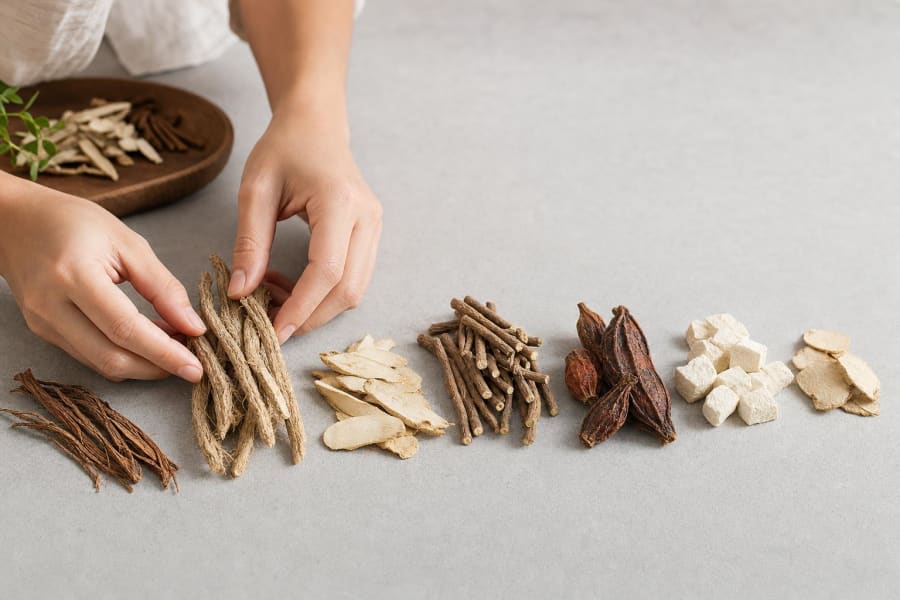
Long jack often gets shelved next to other botanicals aimed at vitality and testosterone support, and the plant itself is distinct from all of them. Where ashwagandha is an adaptogenic root studied mainly for a balanced stress response, and maca is a cruciferous root tuber, long jack is a slow-growing rainforest shrub whose activity concentrates in a bitter taproot rich in quassinoids.
If you are weighing the long jack plant against its common alternatives, we have direct comparisons for tongkat ali vs ashwagandha, tongkat ali vs maca, shilajit vs tongkat ali, fadogia agrestis vs tongkat ali, tribulus vs tongkat ali, and horny goat weed vs tongkat ali. For the plant's specific benefits, see our rundown of tongkat ali benefits.
Start With the Plant, Then the Extract
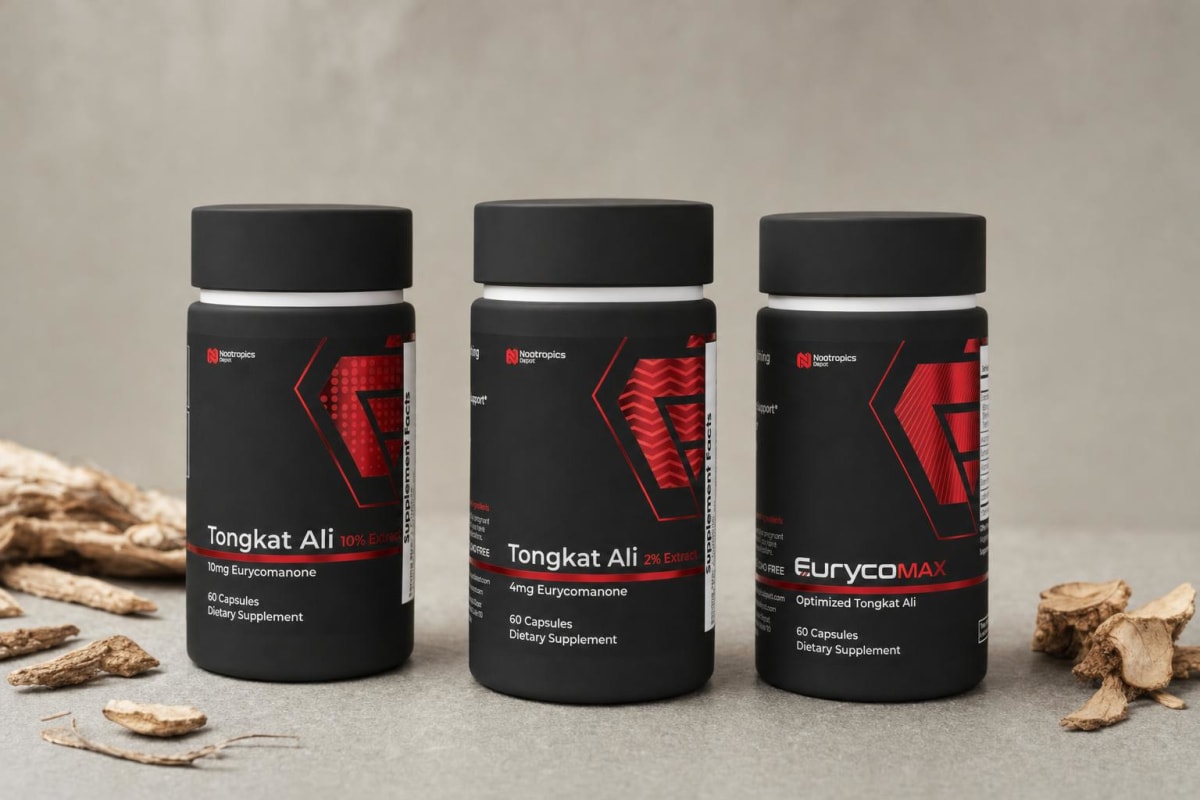
Now that you know what the long jack plant is and why the root is what counts, the next step is picking an extract that is standardized and verified. Browse our tongkat ali (long jack) supplements, or explore the broader longevity category to see where it fits.