





Tongkat Ali And Mood: Stress And Wellbeing Support


 Add us as a preferred source on Google
Most people come to tongkat ali for hormonal or physical reasons, but a question we field often is whether it does anything for how you feel day to day. The short answer is that mood is one of the better-studied angles for this root, but the way it works is more nuanced than a simple "mood booster" label. Here we walk through what the research actually suggests about stress hormones and psychological well-being, how our standardized extracts fit, and where honest caveats belong.
What the Research Suggests About Tongkat Ali and Mood

Tongkat ali, or Eurycoma longifolia, has long been studied for hormonal and physical outcomes, but a smaller slice of that work looks specifically at stress and mood. The most directly relevant trial gave a standardized extract to moderately stressed adults and reported improvements in self-reported tension, anger, and confusion scores, alongside changes in stress hormone output.[1] That is the study people usually have in mind when they talk about tongkat ali and mood.
A pilot study in physically active seniors also looked at well-being measures as part of a broader panel, and the systematic review literature groups tongkat ali among adaptogen-type botanicals studied for male sexual and general health.[2][3] The evidence base is real, but it is not large, so we treat mood as a supporting benefit rather than the headline. For the full picture across every outcome, our benefits overview is the better starting point.
The Cortisol and Stress-Hormone Angle
- Supports HPG signaling: Tongkat ali is thought to support the body's own hormonal signaling rather than adding external hormones.
- Shifts the stress-hormone balance: Trials report a more favorable cortisol-to-testosterone ratio in moderately stressed adults.
- Tracks with subjective state: Psychological mood scores moved alongside the hormone measures in that research.
The mechanism most often proposed for the mood effect runs through stress hormones. In the moderately stressed cohort, researchers measured the cortisol-to-testosterone ratio and reported a shift toward a more favorable balance, with cortisol trending down and testosterone trending up.[1] The thinking is that a steadier hormonal environment tracks with a steadier subjective state, which is why the psychological mood scores moved alongside the hormone measures in that trial.
A second idea in the literature is that tongkat ali supports the body's own hormonal signaling along the hypothalamic-pituitary-gonadal axis rather than adding anything external, so any mood-adjacent effect is downstream of that signaling returning toward a healthy baseline. This is also why effects tend to be strongest in people with lower baseline androgen status and more muted in young, already-healthy individuals. If the hormonal side is what interests you most, our testosterone support article goes deeper there.
What to Realistically Expect
Mood is not an on-off switch, and tongkat ali is not a fast-acting stimulant for your emotional state. In the research, mood measures moved over weeks of consistent use, not within an hour of a single dose, so a realistic expectation is a gradual sense of steadiness rather than a sudden lift. Several customers describe the feeling in those terms, with one noting a "major boost to mood and motivation" showing up alongside energy over time rather than instantly.
Candor matters here. The response is individual, and not everyone experiences a mood effect at all. A small number of reviewers have mentioned feeling more irritable rather than calmer, which is a useful reminder that a compound acting on hormonal signaling can land differently from person to person. We would rather you go in with calibrated expectations than chase a promise the evidence does not support.
Choosing an Extract With Mood in Mind
| Character | Best for | |
|---|---|---|
| 2% eurycomanone | Full-spectrum, balanced, complete root profile | A balanced first experience |
| 10% eurycomanone | More concentrated, noticeably stronger | Those wanting a stronger standalone extract |
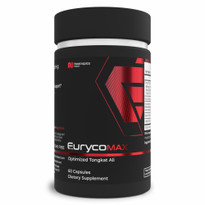
| Eurycomax | Formulated, balanced, little to no drawbacks | The option we point most first-timers toward |
Because the mood research is tied to the whole-root extract rather than any single isolated fraction, the extract you choose matters. Our 2% eurycomanone extract is the full-spectrum, balanced option: it carries the complete root profile with a defined eurycomanone level, which makes it a sensible first experience. The 10% eurycomanone extract is more concentrated and customers describe it as noticeably stronger.
If you want a formulated starting point, Eurycomax is the option we point most first-timers toward. As our Product Specialist Emiel Bakker put it on our subreddit, Eurycomax "is probably the best beginner option" because it produces a very balanced effect with little to no drawbacks, and he added that he personally does not think you have to cycle it. We do not recommend cycling tongkat ali on and off. To find the option that best fits your goals, explore our guide to choosing the right tongkat ali. Dosing specifics live in our dosing material linked from the hub, so we keep this section focused on fit rather than milligrams.
How We Verify What is in the Bottle
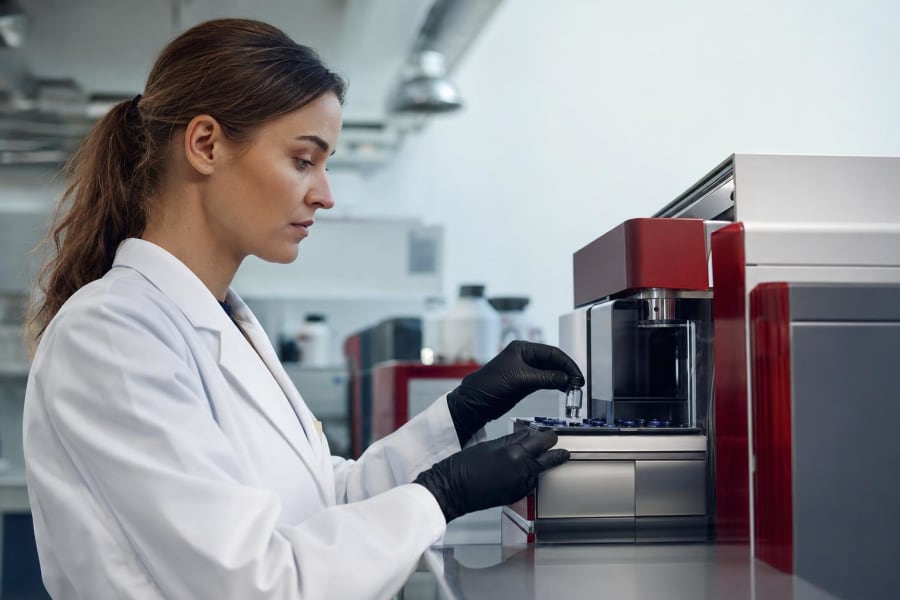
A mood effect tied to a standardized extract is only meaningful if the extract is actually standardized. We quantify eurycomanone by UPLC so the percentage on the label reflects what is in the capsule, and every batch is tested at ISO-accredited third-party labs. You will find a third-party COA on each product page, and our tongkat ali research snapshot collects the relevant studies in one place.
This matters for mood specifically because the stress-hormone research used defined, standardized material. Without verified eurycomanone content you cannot reasonably expect the kind of response the trials describe. This testing gives you confidence that the content matches the label, which is the point of reaching for a research-grade extract in the first place.
The Bottom Line on Tongkat Ali and Mood
Tongkat ali has a genuine, if modest, research base for supporting a positive mood and a balanced stress response, most of it running through its effect on stress hormones and hormonal signaling. Expect a gradual sense of steadiness over weeks rather than a quick lift, know that the response is individual, and choose a standardized extract so you are actually getting the material the studies used.
If mood is only one of several things on your list, the libido and vitality article and the main hub cover the rest of the picture. For anything we did not detail here, the complete guide is the place to go next.
Find the Tongkat Ali That Fits You
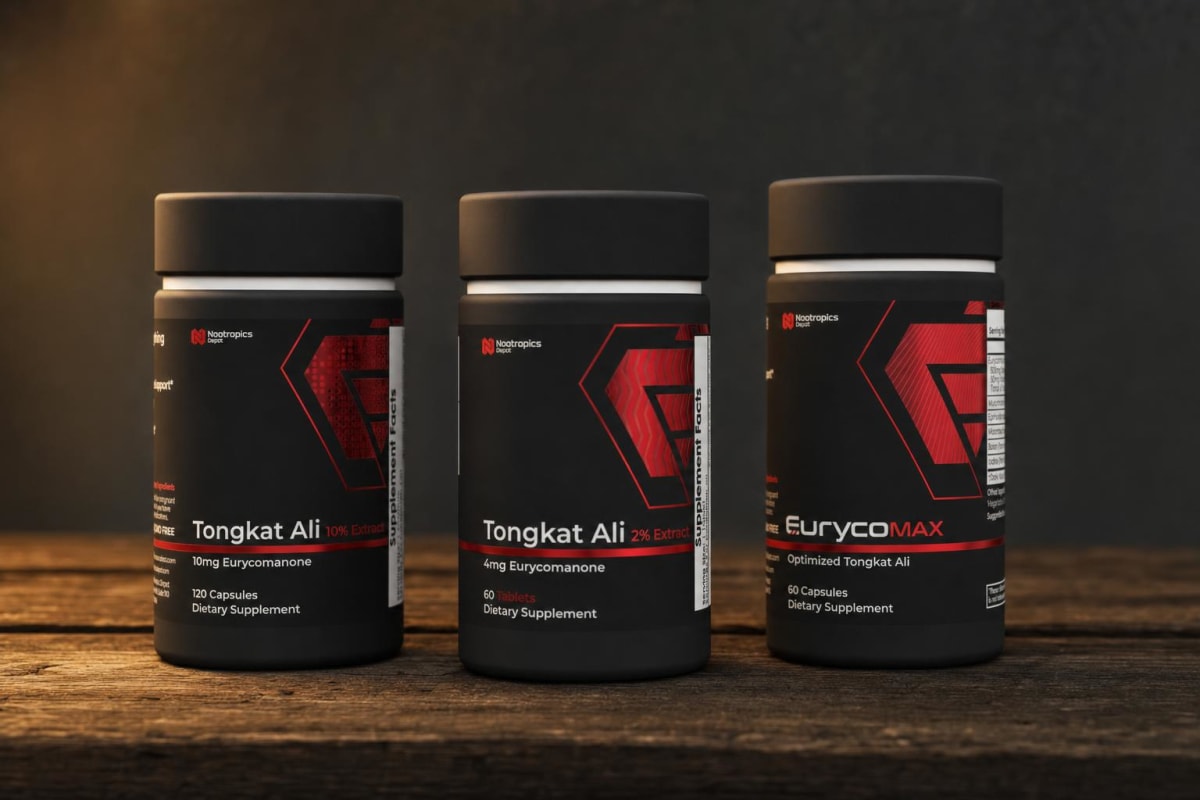
Whether you want the full-spectrum 2% extract, the more concentrated 10%, or the formulated Eurycomax, each is standardized by UPLC and third-party tested. Explore our tongkat ali lineup to find the option that best fits your goals.
Research & References (3)Show sources
- Effect of Tongkat Ali on stress hormones and psychological mood state in moderately stressed subjects
- Tongkat Ali as a Potential Herbal Supplement for Physically Active Male and Female Seniors—A Pilot Study
- Eurycoma Longifolia as a potential adoptogen of male sexual health: a systematic review on clinical studies