
We tested what was on the market, and published the results.
For eight of our ingredients, our analytical lab bought the retail products you would compare us with and measured the bioactive the research is built on. The results are below, product by product, with the test period and the full list of what we bought stated for each set.
A comparison is only worth reading if you know exactly what was compared.
Every chart on this page comes from the same procedure, and every ranking is a ranking within the set we bought. Here is the procedure, so you can judge the numbers the way we do.
We buy retail batchesSame shelf as you
We order the competing products the way a customer would, from their own stores or the marketplaces they sell on, and log the lot we received. No samples supplied by the brand, no pre-release material.
We measure the bioactive the research followsNot the marker that is easiest to hit
Each ingredient is measured for the compound its literature is built on: eurycomanone in Tongkat Ali, erinacine A in lion's mane, dieckol in Ecklonia cava. Our own products are run in the same batch, by the same method.
We report per dose, and where it matters, per dollarIn our Tempe lab
A percentage on a label tells you little until it is multiplied through the serving. We report milligrams per dose or per capsule, and for the Tongkat Ali and Cistanche sets the cost per milligram at the retail prices we paid.
We publish the whole setIncluding the rows we did not win
Every product we measured appears on its chart, including the one place a competitor measured more of a compound than one of ours. A comparison that hides rows is marketing, not research.
Every superlative on this page is scoped to the products we tested, in the period stated. A product we did not buy is not ranked, and a brand can change a formula after our test.
Our 10% Tongkat Ali measured 12.00mg of eurycomanone per dose, the highest of the eleven products we tested.
Eurycomanone is the quassinoid the Tongkat Ali research is built on, and a product's eurycomanone content is what connects it to that literature. Most labels never state one. We standardize to 10% and 2% eurycomanone and verify each batch, and in Q1 2025 we bought eight competing retail products to measure alongside our three.
Cost per mg is the retail price we paid divided by the measured eurycomanone. Satoomi measured no eurycomanone, so it has no cost per mg.
Milligrams of eurycomanone you get for one dollar at the retail prices we paid in Q1 2025.
The highest competing product in the set, Terra Elmnt, measured 5.29mg per dose at $0.20 per mg. Our 10% extract measured 12.00mg at $0.06 per mg.
Eurycomax is a formulated stack, and its Tongkat Ali component alone measured 1.5 times the next competing product while costing about 35% less per milligram.
At 4.60mg per dose and $0.07 per mg, our entry-level extract measured more eurycomanone than seven of the eight competing products.
Solaray and Momentous measured 0.33mg and 0.30mg per dose. Satoomi measured no eurycomanone at all.

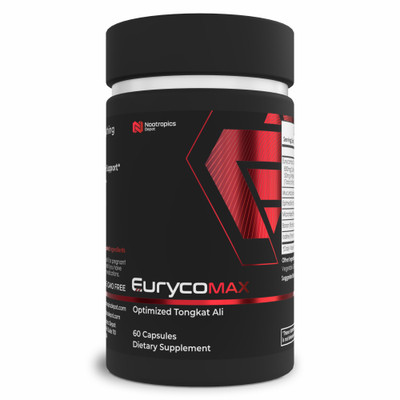
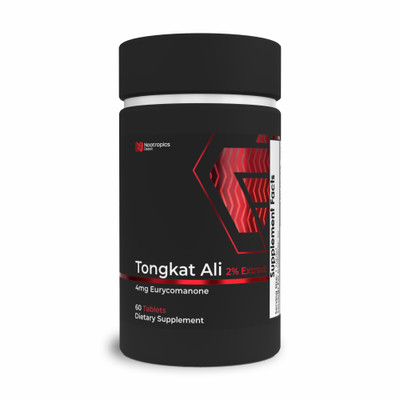
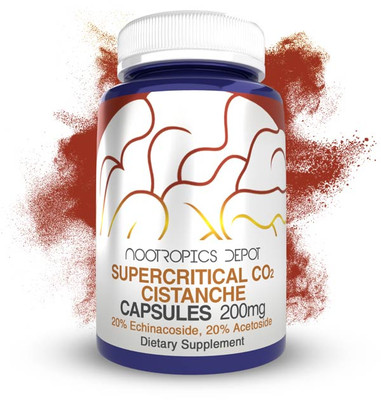
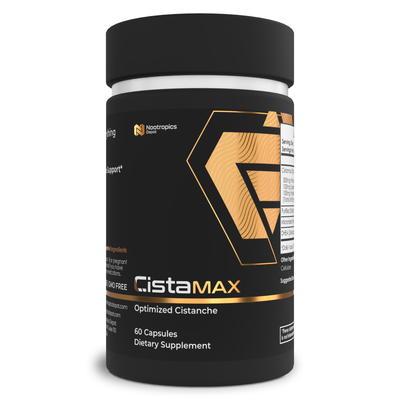
We measured both of the compounds Cistanche is standardized on, across our four extracts and the four competing products we bought.
Cistanche tubulosa is characterized by two phenylethanoid glycosides, verbascoside and echinacoside, which research has explored for supporting immune function, cognitive health, and oxidative balance. Which one a product carries more of depends on the extraction, so a fair comparison measures both. In Q2 2025 we ran our four extracts and four competing retail products for each.
Cost per mg is cents at the retail prices we paid, divided by measured verbascoside.
Double Wood measured more echinacoside than our Full Spectrum extract, and less than our other three. It is on the chart because it belongs there.
Our supercritical CO2 extract measured 53.1mg per dose against 4.1mg for Double Wood, the highest competing product, at about a sixth of the cost per milligram.
Our Ultra Potent extract measured 110.5mg per dose against 50.4mg for Double Wood, at a lower cost per milligram.
Cistamax is a formulated stack; its Cistanche component measured 9.7 times the next competing product for verbascoside at about a third of the cost per milligram.
Double Wood's echinacoside, 50.4mg, edged our Full Spectrum extract at 45.9mg. Full Spectrum is standardized for breadth rather than one compound, and the row stays on the chart.
Protodioscin was measurable in our three products and was not detected in the five competing products we tested.
Protodioscin is the saponin the Tribulus terrestris and Dioscorea nipponica research follows, studied for supporting healthy testosterone levels and athletic performance. A Tribulus product that contains none of it is a different product from the one in the studies, whatever the label says. We measured our three products and five competing retail products for protodioscin per capsule.
Not detected means below the limit of detection of the method, not a small amount.
Cost per milligram needs milligrams. With five products at not detected, a cost per milligram cannot be computed for most of the set, so the chart reports content only.
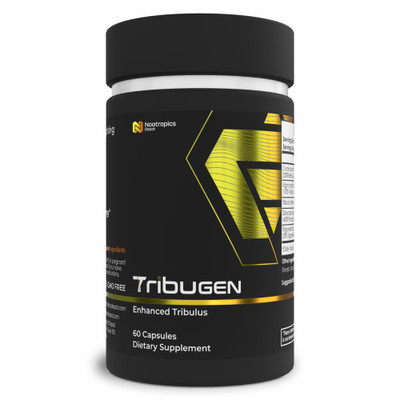
Our Dioscorea nipponica extract measured 166mg of protodioscin per capsule, Tribulus terrestris 120mg, and Tribugen, the formulated stack, 73mg.
Vimerson Health, EVL, Doublewood, Toniiq and Himalaya all measured below the detection limit for protodioscin.
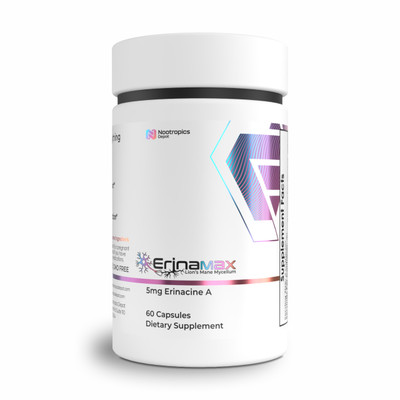
Erinamax measured 2.6mg of erinacine A per capsule. Six of the ten competing lion's mane products measured none.
Most of the lion's mane market is built on fruiting-body beta-glucans. The research on cognitive support points at erinacines, compounds found in the mycelium, and erinacine A supports NGF levels in the brain, promoting memory, neuroplasticity, and healthy neurological function. Erinamax was the first lion's mane standardized to a verified 5mg of erinacine A per serving, grown in liquid-culture bioreactors. In Q2 2025 we bought ten competing retail products and measured all eleven for erinacine A per capsule.
Erinamax delivers 5mg of erinacine A per two-capsule serving; the chart reports per capsule so every product is on the same footing.
A label spec can be copied. What this chart measures is what arrived in the bottle. We publish a certificate of analysis for every Erinamax batch, so the 5mg per serving can be checked lot by lot rather than taken on faith.
Swanson measured 0.08mg of erinacine A per capsule, the highest of the competing products. Erinamax measured 2.6mg.
Host Defense, Horbaach, Bulk Supplements, Triquetra, ELMNT and Toniiq measured no erinacine A. Fruiting-body products are not expected to carry it, which is the point: the compound lives in the mycelium.
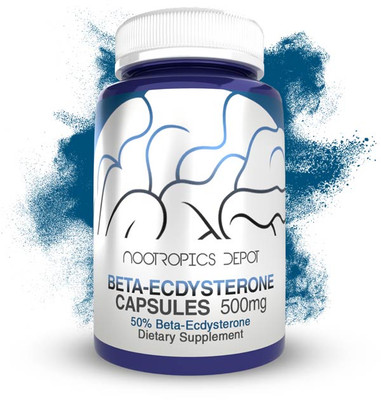
Our Beta-Ecdysterone 50% measured 262.3mg per capsule, 2.47 times the next product in the set of seven.
Beta-ecdysterone, also written 20-hydroxyecdysone, is a plant ecdysteroid that research has explored for supporting muscle protein synthesis and recovery. A 50% standardization is a claim you can measure, so in Q3 2025 we bought six competing retail products and measured all seven for beta-ecdysterone per capsule.
262.3mg in a 500mg capsule is 52.5% beta-ecdysterone, which is where the 50% label comes from.
Thalacy and Orisilico measured no beta-ecdysterone. The other four competing products ranged from 16.75mg to 106mg per capsule.
Double Wood measured 106mg per capsule, the highest of the competing products. Ours measured 262.3mg.
Nutriisa, Nutricost and Earth Elixir measured 60.2mg, 40.7mg and 16.75mg per capsule.
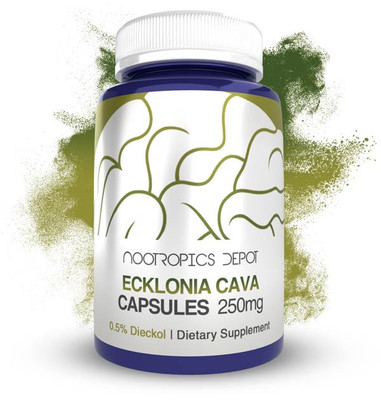
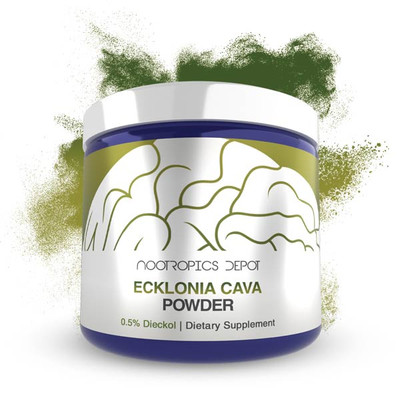
Dieckol measured 2.05mg per capsule in our Ecklonia cava and was not detected in the six other products we tested.
When we tried to verify our own Ecklonia cava supply, no validated DNA reference material for the species existed anywhere. We built it with a Korean university and a specialized DNA lab, then built a supply chain around a protected species collected off Jeju Island, from the coastal regions our own analytical chemistry showed carry the most dieckol. Dieckol is the phlorotannin the Ecklonia cava research follows, studied for supporting sleep and oxidative balance. We measured our product and six competing retail products for dieckol per capsule.
Not detected means below the limit of detection of the method.
Without a reference standard, a supplier can sell a brown seaweed powder as Ecklonia cava and nobody can prove otherwise. A product with no measurable dieckol is either the wrong species or an extract that lost the compound. We check ours against the reference material batch by batch, and standardize to 0.5% dieckol.
Our Ecklonia cava measured 2.05mg of dieckol per capsule and is DNA-verified against the reference material we helped create.
Swanson, Vita World, Box Nutra, Marine Technologies, Monoherb and Spliferkou all measured below the detection limit for dieckol.
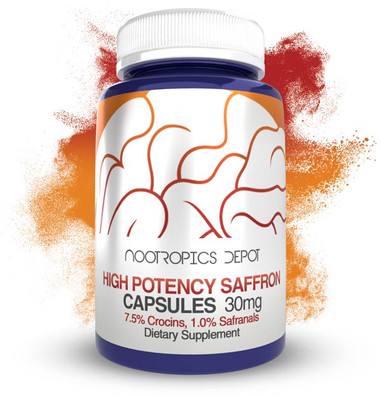
Our saffron measured 2.3mg of crocins and 0.8mg of safranal per capsule, the highest of both in the eight products we tested.
Saffron research points at two compound classes, the crocins and safranal, which have been studied for supporting a healthy mood. Most saffron supplements standardize to one of them or to neither. Ours is standardized to a minimum of 7.5% crocins and 1% safranals in a 30mg capsule. We measured it and seven competing retail products for both compounds per capsule.
Crocins are the carotenoid pigments that give saffron its color; the same products, same batches, measured for safranal on the right.
Safranal is the volatile that gives saffron its aroma. Nutricost, Kwala Nutrition and Totaria Health measured none of either compound.
Triquetra measured 1.17mg of crocins per capsule, the highest of the competing products. Ours measured 2.3mg.
Triquetra measured 0.68mg of safranal per capsule against our 0.8mg. Every other product measured 0.17mg or less.
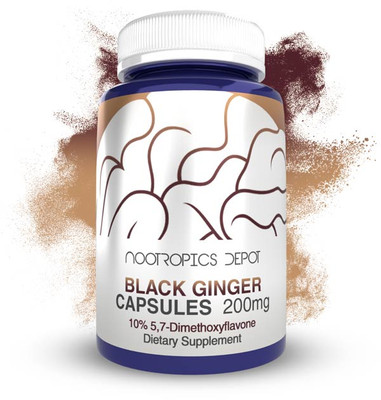
Our Black Ginger measured 12.15% 5,7-dimethoxyflavone, 2.31 times the next product in the set of eight.
Black ginger, Kaempferia parviflora, is characterized by its methoxyflavones, and 5,7-dimethoxyflavone is the one the research follows, studied for supporting physical performance and healthy metabolism. Because it is reported as a percentage of the extract, the comparison here is on standardization rather than milligrams. We measured our extract and seven competing retail products.
Percentage of the extract by weight that is 5,7-dimethoxyflavone.
Unlike the Ecklonia cava and Tribulus sets, all eight black ginger products carried measurable 5,7-dimethoxyflavone. The spread is in how much: from 0.79% to 12.15%.
Swanson measured 5.26% 5,7-dimethoxyflavone, the highest of the competing products. Ours measured 12.15%.
Biofunctionals, Real Naturals, Alchemy Fit, Addictive Wellness, Incas and Codeage measured between 3.41% and 0.79%.
A market test is a snapshot, and we would rather you read it as one.
These charts are strong evidence about the products we bought, in the period we bought them. They are not a verdict on every product on the market, and they are not permanent. Four things to hold in mind.
Each competitor row is one retail batch. Brands reformulate, change suppliers, and have good and bad lots. A product that measured low could measure higher next year, and ours could drift too, which is why we publish a certificate of analysis for every batch we sell.
We chose which products to buy. We aimed for the brands a customer is most likely to be comparing us with, but a product we did not buy is not ranked, and "highest in the set" means exactly that.
Cost per milligram uses the retail prices we paid at the time. Prices move. The content numbers are the durable part; the cost columns are a fair picture of that quarter.
We chose the compound to measure. In each case it is the compound the ingredient's research is built on, and we say which one. A product optimized for a different marker will look worse here than on its own label, and that is a disagreement about what matters, not a measurement error.
Every number on this page has a product page with a certificate of analysis behind it.
Start with the research snapshot for the ingredient you came here to compare, then read the COA for the batch you would receive.