Tetrahydromagnolol Powder
Hydrogenated magnolol metabolite that acts as a CB2 cannabinoid receptor agonist for comfort, mood support, and digestive wellness.





Hydrogenated magnolol metabolite that acts as a CB2 cannabinoid receptor agonist for comfort, mood support, and digestive wellness.
- Stable Bioactive Tetrahydromagnolol
- Pre-Metabolized for Immediate Activity
- Potent CB2 Cannabinoid Receptor Agonist
- Supports Physical Comfort
3rd Party Lab Tested & Verified
See Why ND Tetrahydro Is The Best
Updated On: 06/12/2026
Benefits
When You'll Notice Effects
Immediate Effects
-
 Pain Support
-
 Inflammation
-
 Mood
Mood
-
 Gut Health
Why ND Tetrahydromagnolol?
How To Take

20mg (Per Serving)

Flexible

With Or Without Food

1 Time Daily


Talk to thousands of customers just like you.
Join our community on Reddit to ask questions, share experiences, and get the unfiltered truth from long-term users. We believe in letting our customers speak for themselves, so you can hear the real story from people just like you.
Visit Our Subreddit-
About Tetrahydromagnolol Powder
Tetrahydromagnolol is a hydrogenated derivative of magnolol, one of the primary bioactive compounds found in magnolia bark. This compound acts as a potent CB2 cannabinoid receptor agonist and GPR55 antagonist, offering targeted support for physical comfort and a healthy inflammatory response, gastrointestinal wellness, and mood balance. Unlike magnolol, which requires unpredictable metabolic conversion, tetrahydromagnolol delivers immediate bioactivity with 19 times greater CB2 receptor affinity than its parent compound.
Our Tetrahydromagnolol Story
Traditional magnolia bark extracts rely on your body's variable metabolism to convert magnolol into its more active metabolites, including tetrahydromagnolol. Most magnolol gets excreted unchanged because this conversion process is highly inconsistent between individuals and often inefficient. We saw that this metabolic bottleneck was preventing people from accessing the full potential of magnolia bark's endocannabinoid effects.
We bypassed this biological variability entirely through controlled hydrogenation. We developed a precise process that transforms pure magnolol directly into tetrahydromagnolol using molecular hydrogen, removing the double bonds that limit CB2 receptor binding. This "pre-metabolized" approach provides consistent, predictable effects without relying on your individual enzymatic capacity. After years of development, we are the first vendor we've tested offering this rare compound, providing immediate access to magnolia bark's most potent endocannabinoid metabolite.
Benefits
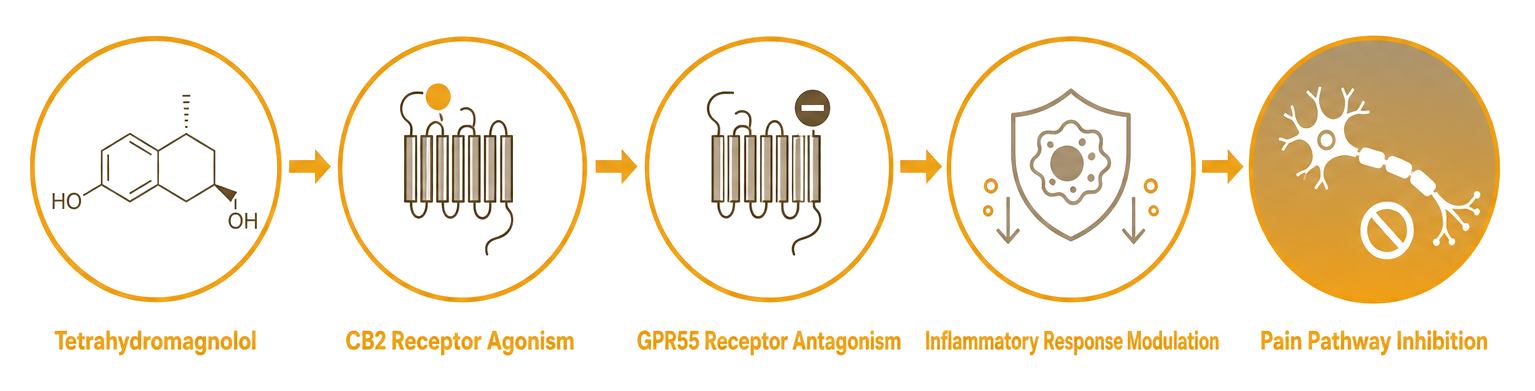
- Supports Physical Comfort: Tetrahydromagnolol acts as a potent CB2 cannabinoid receptor agonist with 19 times greater affinity than magnolol, providing targeted support for physical comfort throughout the body and particularly for healthy nervous system function.
- Supports Healthy Inflammatory Response: The compound's dual action as a CB2 agonist and GPR55 antagonist helps modulate healthy inflammatory pathways, particularly in immune cells that control the body's natural inflammatory processes.
- Supports Healthy Mood Balance: CB2 receptor activation in the brain produces effects that support cognitive function and mood, helping maintain emotional balance and mental clarity.
- Supports Gastrointestinal Comfort: CB2 receptors are highly concentrated throughout the digestive tract, where tetrahydromagnolol helps support intestinal wellness and digestive comfort through targeted cannabinoid receptor modulation.
This pre-metabolized approach bypasses the unpredictable metabolism of traditional magnolia bark compounds, delivering consistent bioactive effects that would otherwise be limited by variable enzyme systems and poor conversion rates.
Quality and Standardization
- Molecular Hydrogenation Process: Our tetrahydromagnolol undergoes precise hydrogenation of purified magnolol using molecular hydrogen, removing double bonds to create a stable, bioactive metabolite with enhanced receptor affinity.
- Purity & Identity Verification: Each batch is lab-tested and verified for both product purity and identity, ensuring consistent potency and eliminating impurities that could compromise the unique receptor profile.
- Exclusive Manufacturing: We are the first vendor we've tested offering this rare compound as of 2023, representing years of development to bring this advanced gut health and comfort support ingredient to market.
- Standardized CB2 Activity: Unlike unpredictable magnolol metabolism, our pre-metabolized tetrahydromagnolol delivers consistent CB2 receptor agonist activity with 19-fold greater potency than the parent compound.
- Multi-Receptor Targeting: Quality-controlled to maintain dual activity as both a CB2 cannabinoid receptor agonist and GPR55 receptor antagonist, providing targeted support for cellular health pathways.
Mechanism of Action
- CB2 Receptor Agonism: Tetrahydromagnolol binds to CB2 cannabinoid receptors throughout the body with 19 times greater affinity than magnolol, activating pathways that support healthy immune cell activity and inflammatory responses in tissues including the gastrointestinal tract, peripheral nervous system, and immune organs.
- GPR55 Receptor Antagonism: This compound blocks the GPR55 cannabinoid receptor, a recently discovered target that research suggests plays a role in inflammation signaling, providing an additional mechanism for supporting the body's natural inflammatory response alongside its CB2 effects.
- Hydrogenation Enhancement: The removal of double bonds through molecular hydrogenation increases the compound's stability and bioavailability while dramatically enhancing its receptor binding properties, allowing for more consistent effects compared to the variable metabolism of its parent compound magnolol.
- Selective Receptor Profile: Unlike many cannabinoid compounds, tetrahydromagnolol shows strong selectivity for CB2 receptors over CB1 receptors, targeting peripheral tissues and immune function while avoiding the psychoactive pathways associated with CB1 activation in the central nervous system.
Overview of the Science
Research demonstrates that tetrahydromagnolol exhibits remarkable cannabinoid receptor selectivity, with studies showing 19-fold greater affinity for CB2 receptors compared to its parent compound magnolol [1][2]. This enhanced binding profile supports healthy inflammatory responses throughout peripheral tissues while minimizing effects associated with CB1 receptor activation. The compound's dual mechanism as both a CB2 agonist and GPR55 antagonist creates a synergistic approach to comfort support, as GPR55 antagonism complements CB2-mediated supplements for nerve pain effects in preclinical models.
Studies indicate magnolol supports healthy inflammatory responses and comfort [3]. The hydrogenation process that creates tetrahydromagnolol removes metabolic variability while preserving the compound's ability to support healthy inflammatory balance in gastrointestinal tissues [4][5]. CB2 receptors are particularly abundant in the enteric nervous system and immune cells of the gut, where selective agonists like tetrahydromagnolol support healthy inflammatory responses without the side effects associated with traditional approaches [6][7]. This targeted mechanism makes tetrahydromagnolol particularly valuable for individuals seeking herbs for nerve pain support through endocannabinoid system modulation.
[1] Rempel V, Fuchs A, Hinz S, et al. Magnolia Extract, Magnolol, and Metabolites: Activation of Cannabinoid CB2 Receptors and Blockade of the Related GPR55. ACS Med Chem Lett. 2013;4(1):41-5.
[2] Fuchs A, Rempel V, Muller CE. The natural product magnolol as a lead structure for the development of potent cannabinoid receptor agonists. PLoS One. 2013;8(10):e77739.
[3] Wang JP, Hsu MF, Raung SL, et al. [...] and analgesic effects of magnolol. Naunyn Schmiedebergs Arch Pharmacol. 1992;346(6):707-12.
[4] Zhang LN, Sun H, Wang H, et al. Magnolol attenuates sepsis-induced gastrointestinal dysmotility in rats by modulating inflammatory mediators. World J Gastroenterol. 2009;14(47):7353-60.
[5] Zhang WW, Li Y, Wang XQ, et al. Effects of magnolol and honokiol derived from traditional Chinese herbal remedies on gastrointestinal movement. World J Gastroenterol. 2005;11(28):4414-8.
[6] Guindon J, Hohmann AG. Cannabinoid CB2 receptors: a therapeutic target for the treatment of inflammatory and [...] pain. Br J Pharmacol. 2008;153(2):319-36.
[7] Whiteside GT, Lee GP, Valenzano KJ. The role of the cannabinoid CB2 receptor in pain transmission and therapeutic potential of small molecule CB2 receptor agonists. Curr Med Chem. 2007;14(8):917-36.
Ingredients
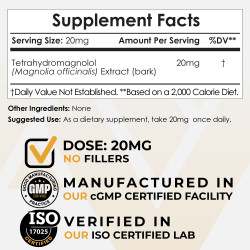
Tetrahydromagnolol:
- Magnolia officinalis Extract (bark)
- 20mg per serving
Tetrahydromagnolol represents one of the most bioactive compounds found in magnolia bark, offering significantly enhanced bioavailability compared to its parent compounds magnolol and honokiol. This isolated compound bypasses the typical metabolic limitations that reduce the effectiveness of whole magnolia extracts, delivering a more concentrated and reliable effect profile. The 20mg dose provides a potent amount of this rare compound, which is typically found only in trace quantities in standard magnolia preparations.
LACTOSE FREEGLUTEN FREENON-GMO


Trust Through Transparency
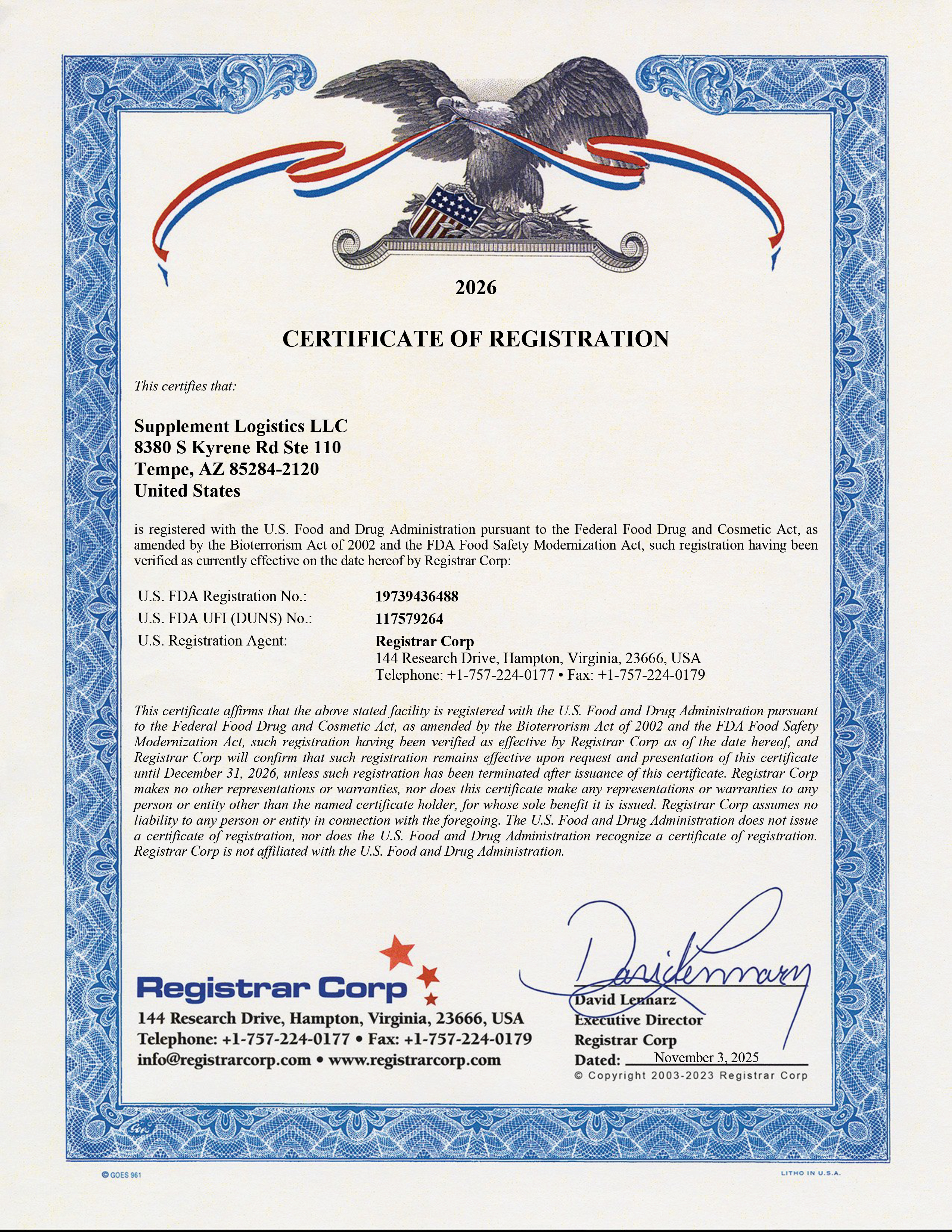
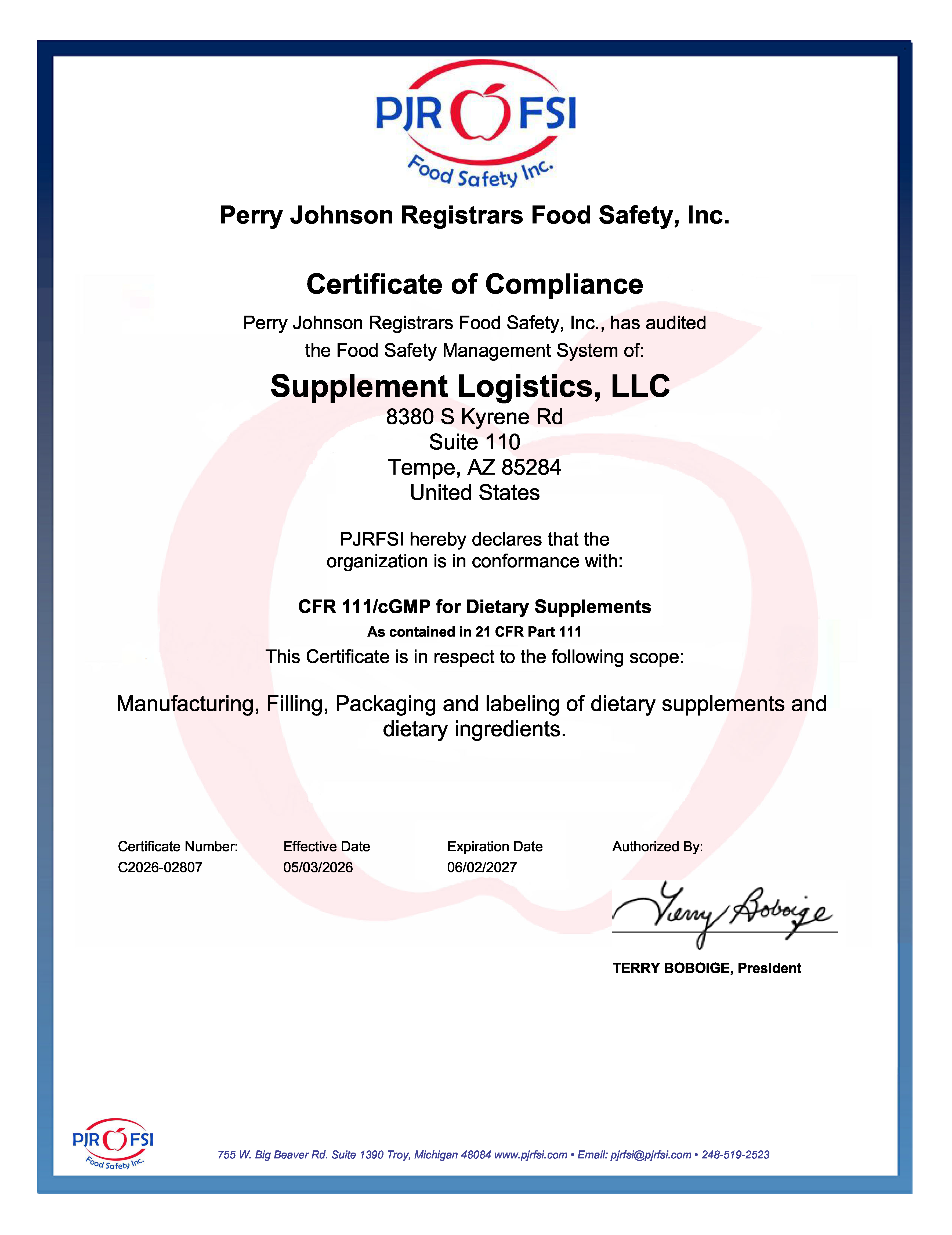
Your health matters, which is why we only use the best 3rd party ISO accredited labs and cGMP certified and FDA registered facilities right here in the USA
Learn more