How The Sun's UVA AND UVB Rays Affect Skin Health
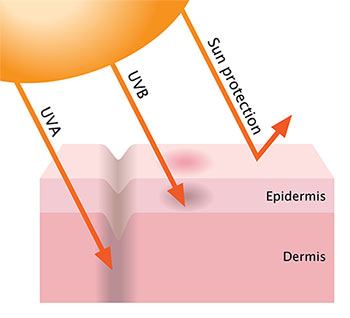
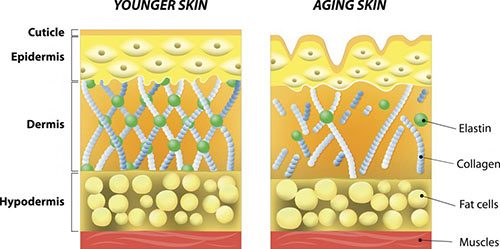
So far, we have discussed the impact UVA and UVB can have on skin quality via the effects they can have in the dermis. However, we have not talked about another component of sunshine which is infrared radiation (IRA). IRA can also penetrate through the epidermis and into the dermis where it can interact with dermal fibroblasts. Dermal fibroblasts are cells which play a major role in the upkeep of both the dermis and epidermis. Dermal fibroblasts produce various connective tissues - mainly by synthesizing collagen. These connective tissues help make up the extracellular matrix (ECM) which is a network of collagen, enzymes, and glycoproteins which act as support structures. In particular, it gives epidermal cells something to anchor too, and thus, the ECM is highly important in the formation of the epidermis. IRA can interfere with these dermal fibroblasts by both causing the mitochondria of the fibroblasts to leak reactive oxygen species and by inducing an enzyme called matrix metalloproteinase-1 (MMP-1). MMP-1 has the ability to break down collagen, and specifically, it can break down and damage the ECM. This causes an overall reduction in skin quality. It is also important to protect against IRA. This can also be achieved with oxidation regulating compounds, in particular, compounds which target mitochondrial oxidative stress.
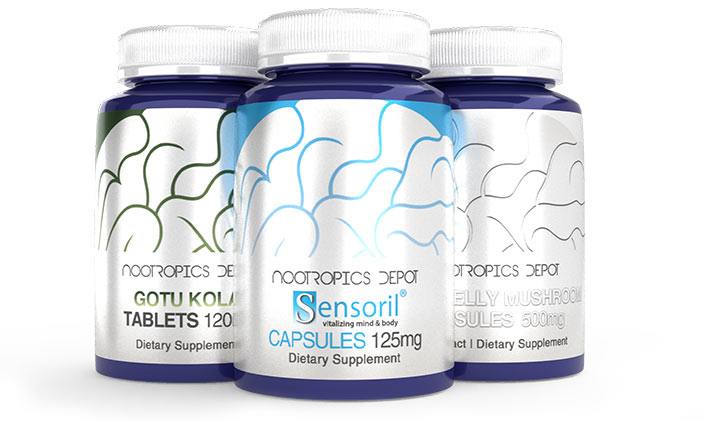
Overall, it appears that if we want to keep our skin looking healthy and vibrant, we need to ensure that oxidative stress is under control and that collagen synthesis remains intact. There are various ways by which this can be supported. The most straightforward of which is to simply avoid damaging variables such as excessive sun exposure. This is difficult for many, as a tan can make our skin look healthy and vibrant. We also need UVA exposure to synthesize vitamin D, an important vitamin in our bodies which modulates a large amount of bodily functions. Based on this, completely avoiding the sun, or lathering yourself in very high SPF sunscreen, is not always the best option. It is generally recommended by experts to keep sun exposure to a minimum (try to avoid long tanning sessions) and to use a moisturizer that includes a low SPF sunscreen. In addition to this very simple strategy, you may also like to consider a smart supplement regimen that specifically targets the support of collagen synthesis and overall skin health. There are quite a lot of supplements which can achieve some of these effects, but not all supplements can offer full spectrum protection. The following list of dietary supplements, either alone or in combination with each other, may provide some of the most comprehensive oral skin protection to help keep your skin looking young and healthy for years to come!